
Acne doesn’t care how old you are, and that’s the part nobody warns you about. You clear up your teenage breakouts, only to find new ones showing up in your thirties or forties, usually around your jaw and chin instead of your forehead.
Dermatologists across the UK see this pattern constantly, and they’ve gotten specific about which ingredients actually clear skin and which ones just sit on a shelf looking promising. Salicylic acid, benzoyl peroxide, and adapalene keep showing up in real clinical recommendations, not because they’re trendy, but because they’ve got the research behind them.
This guide breaks down what UK dermatologists say to look for, then reviews the standout products you can buy on Amazon UK, starting with the one that comes out on top overall.
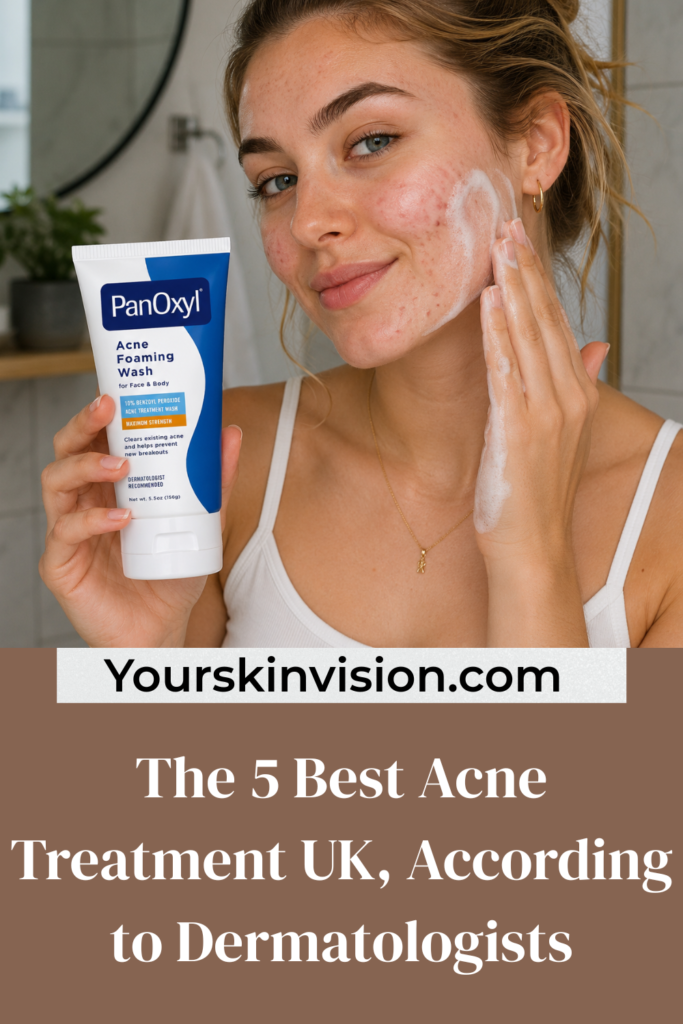
Table of Contents
What Causes Acne in Adults, and Why Does It Keep Coming Back?
Adult acne usually traces back to a mix of excess oil, clogged pores, and bacteria, but hormones tend to be the real driver behind why it keeps returning. Skin produces more sebum during hormonal shifts, and that extra oil traps dead skin cells inside pores instead of letting them shed normally. Bacteria then feed on that trapped buildup, which triggers the redness and inflammation you actually see on your face.
Stress makes this cycle worse because it raises cortisol, and cortisol pushes your skin to produce even more oil. Diet plays a smaller role than people assume, though some dermatologists do link high-sugar, high-dairy diets to flare-ups in certain patients. Because everyone’s triggers differ, the same product can work brilliantly for one person and do almost nothing for another.
Which Acne Types Need Different Treatment Approaches?
Blackheads and whiteheads respond well to exfoliating ingredients like salicylic acid, since these work by unclogging pores rather than fighting inflammation directly. Papules and pustules, the red, swollen bumps most people picture when they hear “acne,” need something with anti-inflammatory action, which is where benzoyl peroxide earns its reputation.
Deep, painful cysts and nodules sit in a different category entirely, and NICE guidelines generally point toward prescription treatment or a dermatologist visit for these, since over-the-counter options rarely touch them.
Hormonal acne, the kind that clusters around the jawline and chin, often needs a treatment plan that addresses oil production specifically rather than just calming existing spots. This is also the type most likely to require patience, because hormonal cycles don’t shift overnight, and neither does the skin responding to them.
How Long Does It Take for Acne Treatment to Work?
Patience matters more than almost any other factor in acne treatment, and dermatologists repeat this constantly for good reason. Most topical treatments need somewhere between four and twelve weeks before you’ll see a real difference, because skin cell turnover itself takes around 28 days at minimum.
Switching products every two weeks, which is incredibly tempting when nothing seems to be working, actually resets that clock and makes it harder to judge whether anything is helping. Some purging is normal in the first few weeks, especially with retinoid-based products like adapalene, because these ingredients speed up cell turnover and can bring existing congestion to the surface faster than usual.
That said, purging should calm down within a month or so. If your skin keeps getting worse well past that point, it’s a sign to stop and reassess rather than push through. Dermatologists also stress starting with just one active ingredient at a time. Layering several new products at once makes it nearly impossible to know which one is actually helping, or which one is causing the irritation if things go sideways.
Here are the 5 Best Acne Treatments UK Shoppers Can Buy on Amazon
Below are the standout picks, based on dermatologist-recommended ingredients and real-world feedback from UK and international shoppers. The overall best pick comes first, with strong runners-up covering different budgets and skin sensitivities.

1. La Roche-Posay Effaclar Duo+ (Overall Best Pick)
This one has become something of a staple in UK skincare routines, and it’s easy to see why once you look at the formula. It combines niacinamide, salicylic acid, and a compound called Procerad, all working together to unclog pores, calm redness, and help fade the marks acne leaves behind after it’s healed. French pharmacy brands tend to get recommended often by dermatologists, and La Roche-Posay sits near the top of that list for acne-prone skin specifically.
What makes this formula stand out is its balance. It doesn’t strip skin the way some harsher acne treatments do, yet it still delivers a genuine exfoliating and anti-inflammatory effect. The texture is lightweight and sinks in quickly, so it layers well under moisturiser or SPF without feeling heavy or greasy by midday.
La Roche-Posay Effaclar Duo is a top pick because it treats active breakouts and the marks they leave behind in one step, without the harsh side effects that come with stronger actives. For most people starting an acne routine in the UK, this is the safest, most balanced place to begin.
User Comments:
A common theme among reviewers is how gentle this feels compared to other acne treatments they’ve tried, with several noting it doesn’t cause the dryness or flaking that stronger benzoyl peroxide products often bring. Multiple users specifically mention a reduction in post-acne marks and redness after a few weeks of consistent use, which lines up with the ingredient profile. The main criticism involves price, since it costs more than typical drugstore acne treatments, though most reviewers who stuck with it long-term felt the results justified the cost.

2. CeraVe Foaming Facial Cleanser with Salicylic Acid
CeraVe built its reputation on ceramide-rich, dermatologist-developed formulas, and this cleanser brings that same philosophy to acne care. Salicylic acid does the heavy lifting here, working to exfoliate inside the pore and clear out the debris that leads to blackheads and breakouts. Because it’s a cleanser rather than a leave-on treatment, it’s gentler by nature, which makes it a solid first step for anyone new to treating acne.
The formula also includes ceramides and niacinamide, which help protect the skin’s barrier while the salicylic acid does its work. That combination matters because a damaged, over-dried barrier tends to make acne worse in the long run, not better, so a cleanser that treats and protects at the same time solves two problems at once.
CeraVe Foaming Facial Cleanser with Salicylic Acid: It’s an easy, low-commitment way to add an acne-fighting ingredient into your routine without risking the irritation that stronger leave-on treatments can cause.
User Comments:
Reviewers frequently describe this cleanser as effective without feeling harsh, several specifically comparing it favorably against older salicylic acid washes that left their skin tight and uncomfortable afterward. Several users with combination or oily skin mention noticeably fewer blackheads within a few weeks of daily use. Some reviewers with very dry or sensitive skin note that even this gentler formula caused mild tightness, so patch-testing before committing to daily use is a sensible precaution.

3. PanOxyl Acne Foaming Wash 4% Benzoyl Peroxide
Benzoyl peroxide remains one of the most researched and recommended acne ingredients available, and PanOxyl has built its entire brand around delivering it effectively. This foaming wash uses a 4% concentration, which dermatologists often consider a solid middle ground, strong enough to meaningfully reduce acne-causing bacteria without the intense dryness that higher concentrations can cause.
Because it’s formulated as a wash-off product rather than a leave-on treatment, it tends to be more forgiving for people with sensitive or reactive skin who still want the benefits of benzoyl peroxide. You get the bacteria-fighting and anti-inflammatory action during the brief contact time, then rinse before it has a chance to overly dry out your skin. For active, inflamed breakouts that need a stronger anti-bacterial approach, this wash delivers real results without requiring a prescription.
User Comments:
Reviewers managing inflammatory, red, swollen breakouts often report visible improvement within just a couple of weeks, which tracks with benzoyl peroxide’s reputation as one of the fastest-acting OTC actives. Several mention pairing it with a heavier moisturiser afterward to offset any tightness, which most found solved the dryness issue completely. A recurring caution involves bleaching, since benzoyl peroxide can lighten dark towels, pillowcases, and clothing, so reviewers consistently recommend using white towels during treatment.

4. The Ordinary Niacinamide 10% + Zinc 1%
The Ordinary has built a cult following for delivering effective actives at genuinely low prices, and this serum has become one of its most popular acne-adjacent products. Niacinamide works to regulate oil production and calm inflammation, while zinc adds an extra layer of support for controlling excess sebum.
Together, they target two of the core drivers behind acne without relying on the kind of exfoliating acids that can irritate sensitive skin. This formula works particularly well layered alongside a salicylic acid or benzoyl peroxide product, since niacinamide doesn’t compete with those actives the way some other ingredients can.
It’s also a gentler entry point for anyone whose skin has reacted badly to stronger acne treatments in the past and needs to rebuild tolerance slowly. It’s an affordable, gentle way to address oil control and redness, especially for anyone who wants to build an acne routine without jumping straight to stronger acids.
User Comments:
A large number of reviewers mention a visible reduction in oiliness and shine within the first few weeks, along with fewer new breakouts appearing along the T-zone. Several users specifically credit this serum with calming redness faster than expected, describing their skin as looking noticeably less angry within days. On the downside, a handful of reviewers with very reactive skin experienced pilling when layering it under other products, so applying it on completely dry skin and waiting between layers tends to solve that issue.

5. Proactiv Acne Cleanser – Benzoyl Peroxide Face Wash with Exfoliating Beads
If you are looking for an acne cleanser that does more than simply wash away dirt and oil, the Proactiv Acne Cleanser is worth considering. It combines 2.5% benzoyl peroxide with smooth exfoliating beads to help clear breakouts, unclog pores, and remove dead skin cells without the need for harsh scrubbing.
The benzoyl peroxide is the main acne-fighting ingredient, helping target acne-causing bacteria and existing breakouts. I also like that the formula contains hyaluronic acid, which helps support skin hydration while using an acne treatment that can sometimes leave skin feeling dry. The exfoliating beads give the cleanser an added cleansing boost and leave the skin feeling smoother after washing.
This cleanser is unscented, dermatologist-developed, hypoallergenic, and suitable for different skin types. However, sensitive skin may need extra care, as some users report irritation, burning, or worsening breakouts. Starting slowly and patch testing can be helpful if your skin reacts easily.
The 6-fl-oz size is convenient for regular use and can last for months when used as directed. Results may take several weeks, so consistency is important. Overall, Proactiv Acne Cleanser is a solid choice for anyone wanting a medicated face wash that combines acne treatment, gentle exfoliation, and hydration in one product.
Common Questions About Acne Treatment in the UK
- Can diet actually cause acne? Diet plays a smaller role than most people assume, but it’s not completely irrelevant either. Some dermatologists have linked high-sugar and high-dairy diets to flare-ups in certain patients, though the research here is far less conclusive than it is for topical treatments. Rather than overhauling your entire diet, it’s usually more useful to track your own breakouts against what you’ve eaten over a few weeks and see if a genuine pattern emerges.
- Is it normal for acne to get worse before it gets better? Yes, especially with retinoid-based treatments like adapalene. This is often called purging, and it happens because these ingredients speed up cell turnover, which can push existing congestion to the surface faster than it would clear naturally. Purging typically settles down within three to four weeks. If your skin keeps worsening well beyond that window, stop the product and reassess rather than assuming it just needs more time.
- Can you use benzoyl peroxide and salicylic acid together? You can, but most dermatologists suggest introducing them separately at first rather than combining two strong actives right away. Starting with one ingredient lets you see how your skin responds and avoids overwhelming your barrier with irritation you can’t trace back to a specific cause. Once your skin tolerates each one individually, combining them, often on alternating days, can work well for stubborn or widespread breakouts.
- Does adapalene work for adult acne, or is it just for teenagers? Adapalene works well for adult acne too, particularly the kind that clusters around the jaw and chin. It’s a topical retinoid, so it addresses clogged pores and inflammation at the same time, which makes it useful across a wider age range than people often assume. The main adjustment for adult skin is usually starting with a lower frequency, like every other night, since adult skin can be more prone to dryness and irritation than teenage skin.
- How do you know if it’s time to move from over-the-counter products to a prescription? The general guideline dermatologists use is a three-month trial period. If consistent use of an OTC product hasn’t produced noticeable improvement after roughly twelve weeks, or if your acne includes painful cysts, nodules, or visible scarring, it’s time to book a dermatologist appointment rather than keep experimenting alone. Prescription options like tretinoin, oral antibiotics, or isotretinoin exist specifically for cases that OTC treatment isn’t equipped to handle.
How to Build a Simple Acne Routine That Actually Works
Consistency beats complexity almost whenever it comes to treating acne, and dermatologists tend to recommend starting far simpler than most people expect. A basic routine looks like this: a gentle cleanser in the morning and evening, one active treatment applied to the whole face or just problem areas, a lightweight moisturiser to protect the skin barrier, and SPF every morning without exception.
Adding SPF matters more than people realise, especially if you’re using a retinoid like adapalene, because these ingredients can make skin more sensitive to sun exposure. Skipping sunscreen while treating acne also risks worsening the very post-acne marks you’re trying to fade, since UV exposure darkens those spots further and slows down how quickly they heal.
Resist the urge to add new products the moment you see a friend or influencer rave about something different. Give your current routine the full eight-to-twelve weeks before introducing anything new, and change one variable at a time if you do decide to switch things up. That patience is genuinely the difference between a routine that works and one that just cycles through products without ever giving any of them a fair chance.
Conclusion
There’s no single best acne treatment that works for everyone, and that’s really the main thing to take away here. La Roche-Posay’s Effaclar Duo+ stands out as the strongest overall pick because it balances real results with a gentle formula, but each product on this list solves a slightly different problem, whether that’s active breakouts, oiliness, or post-acne marks.
Because acne responds slowly, give whatever you choose a genuine eight-to-twelve week trial before deciding it isn’t working. Also, keep the rest of your routine simple while you do it, since layering too many new actives at once makes it nearly impossible to tell what’s actually helping.
If your skin hasn’t improved after a few months, or if breakouts are painful, cystic, or leaving scars, a dermatologist consultation is worth booking rather than continuing to guess at home.
Other Related Articles
- 5 Best Spray For Body Acne And Scars
- Best Acne And Wrinkle Treatment For Adults
- The 5 Best Acne Treatments for Black Skin, According to Dermatologists
- Best Over The Counter Acne Treatment For Teenage Males
- The 5 Best Clean Skincare Brands for Acne, According to Dermatologists.
- The Best Back Acne Treatment, According to Dermatologists
- The Best Facial Treatment for Clogged Pores, According to Dermatologists
- The Best Facial Treatment for Acne Marks, According to Dermatologists
