
Dogs have a way of hiding discomfort. They’ll still chase a ball, wag their tail, and greet you at the door like nothing’s wrong, even when their teeth and gums need attention. That’s what makes dental care one of the most overlooked parts of dog health. By the time bad breath turns into something serious, plaque has already settled in, and gum irritation has started.
Now here’s where things get interesting. More veterinarians are leaning toward simple, natural support options alongside regular brushing, and coconut oil keeps coming up for a reason. It’s not some trendy shortcut. It’s practical, gentle, and surprisingly effective when used the right way.
But here’s the catch: not every coconut oil you see on a shelf will actually help your dog’s teeth. Some are too processed. Some lose their natural benefits. And some just don’t perform well when it comes to oral care. So if you want something that actually works, you need to know what to look for, and which options stand out.
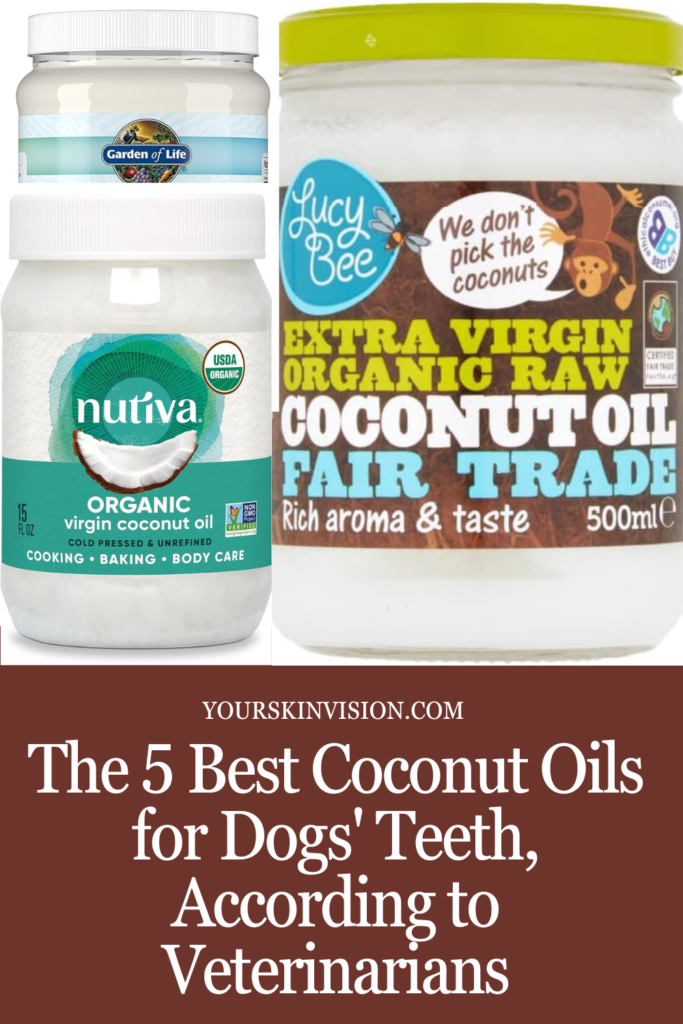
Table of Contents
Why Do Veterinarians Recommend Coconut Oil for Dogs’ Teeth?
The reason coconut oil gets so much attention comes down to one key component: lauric acid. This natural fatty acid has antibacterial properties that help reduce the buildup of harmful microbes in your dog’s mouth. That matters because plaque isn’t just about food particles; it’s bacteria-driven. Once those bacteria settle in, they lead to bad breath, tartar, and gum irritation.
Dr. Karen Becker explains it clearly:
“Coconut oil works well for dogs because it naturally reduces harmful bacteria while staying gentle on the gums.”
Unlike chemical dental products that can sometimes irritate sensitive mouths, coconut oil feels soothing. Dogs usually accept it without resistance, which makes consistency easier—and consistency is what actually improves dental health.
Dr. Jerry Klein adds:
“Daily oral care is essential for dogs, and using something safe and palatable like coconut oil can help pet owners stay consistent.”
There’s also a comfort factor. Coconut oil coats the gums lightly, which can help reduce dryness and irritation, especially in older dogs. And then there’s the bonus most pet owners notice first, fresher breath.
Not artificially minty, just cleaner and less harsh. Still, veterinarians don’t treat coconut oil as a replacement for brushing. Think of it as support. It helps the brushing process work better and feel easier for both you and your dog.
How can I determine the Best Coconut Oil for my Dog’s Dental Health?
Walk into any store or scroll through online listings, and you’ll see dozens of coconut oil options. They look similar, but they don’t perform the same way, especially for dental use. Here’s what actually makes a difference:
Virgin or Extra Virgin
This means the oil hasn’t gone through heavy processing. It keeps its natural antibacterial properties intact.
Cold-Pressed
Heat can weaken nutrients. Cold-pressed oils retain more of what makes coconut oil effective.
Organic
You avoid unwanted chemicals and pesticides, which matters when you’re putting something directly in your dog’s mouth.
Unrefined
This keeps the natural scent and tastes something dogs tend to like, making the whole process smoother. Dr. Marty Goldstein puts it this way: “The closer coconut oil is to its natural state, the more beneficial it becomes for dogs, especially for oral and digestive health.” Texture also matters more than people expect. A smoother oil spreads better across teeth and gums, while a thicker one can stay in place longer during brushing.

Our Overall Best-Nutiva Organic Virgin Coconut Oil
Nutiva doesn’t try to be flashy; it just gets everything right. It’s organic, cold-pressed, and unrefined, which checks every box veterinarians care about. What really makes it stand out for dental use is its balance. It’s soft enough to spread easily but firm enough to stay on your dog’s teeth long enough to do its job.
When you scoop a small amount, it melts quickly between your fingers. That makes it easy to rub along the gum line or apply with a toothbrush without creating a mess.
A dog owner from California shared:
“My Golden Retriever used to fight brushing every single time. Once I started using Nutiva coconut oil, he actually calmed down. His breath improved within a week, and brushing became part of our routine instead of a struggle.”
Another user from Texas said:
“I noticed less plaque around my dog’s back teeth after about two weeks. It’s simple to use, and I feel better knowing it’s natural.” What makes this one the overall best isn’t just quality, it’s how easy it makes consistency. And with dog dental care, consistency is everything.

Viva Naturals Organic Extra Virgin Coconut Oil
Viva Naturals brings a richer, creamier texture, which makes it ideal if you want something that sticks to the teeth a little longer during brushing. This slight thickness helps coat the gum line more effectively, especially for dogs that already show signs of mild irritation or redness.
It also melts quickly, so you don’t have to struggle during application, even if your dog isn’t the most patient.
A dog owner from Florida mentioned:
“I started applying this every evening, and within days, my dog’s breath stopped being so strong. His gums also look less irritated.”
Another reviewer from New York said:
“It feels like a premium product. My dog actually licks it off my finger, so brushing doesn’t feel like a chore anymore.” If your dog has sensitive gums or you want something soothing, this one stands out.

Lucy Bee Organic Raw Coconut Oil
Lucy Bee focuses on keeping things as natural as possible. This oil stays raw and minimally processed, which helps preserve its antibacterial properties. It has a light, clean scent—not too strong—which many dogs seem to enjoy. The texture feels smooth and spreads easily, making it a solid option for both brushing and mixing into food for added support.
A pet owner from Illinois shared:
“I started using this after my vet suggested coconut oil. My dog’s breath improved within a week, and I’ve stuck with it ever since.”
Another user from Arizona said:
“I use it for brushing and sometimes mix a little into food. I’ve noticed less buildup on my dog’s teeth over time.” This one works especially well if you want something versatile and simple to use daily.

Garden of Life Organic Extra Virgin Coconut Oil
Garden of Life is known for high-quality sourcing, and that quality shows in how clean and fresh this oil feels. It melts almost instantly when you touch it, which makes it perfect if you prefer applying coconut oil with your fingers rather than a brush. It spreads evenly and doesn’t feel heavy, which some dogs respond to better.
A dog owner from Washington said:
“I use this every day, and my dog’s breath is noticeably better. It’s become part of our routine.”
Another reviewer from Georgia shared:
“It’s easy, clean, and my dog doesn’t resist it. That alone makes it worth it.” If you want something that fits into a quick, no-stress routine, this one delivers.

Carrington Farms Organic Coconut Oil
Carrington Farms proves you don’t have to spend a lot to get good results. It still meets the key standards: organic, cold-pressed, and unrefined. The texture is slightly firmer, which can actually help if you want more control during application. It holds its shape a bit longer before melting, making it easier to apply directly to specific areas of your dog’s teeth.
A dog owner from Ohio shared:
“I picked this because it was affordable, but it works really well. My dog’s breath improved after consistent use.”
Another user from Colorado said:
“It’s simple, effective, and budget-friendly. I use it a few times a week, and it keeps my dog’s mouth fresh.”If you’re starting and don’t want to overspend, this is a solid choice.
FAQs
What type of coconut oil for dogs’ teeth?
Use virgin, unrefined coconut oil. It retains lauric acid, which has antibacterial properties that may help reduce plaque-causing bacteria and improve breath. Avoid refined or flavored oils—they lose beneficial compounds and may contain additives.
Do vets recommend coconut oil for dogs?
Most veterinarians say it’s okay in small amounts, but not essential. It can support skin and mild oral hygiene, but it’s not a replacement for proper dental care or a balanced diet. Some vets caution due to its high fat content.
What brand of coconut oil is safe for dogs?
Choose organic, virgin coconut oil brands with no additives. Pet-safe options include ones like Raw Paws or Zesty Paws, but any high-quality food-grade, unrefined coconut oil is generally safe when used properly.
Is it okay to brush a dog’s teeth with coconut oil?
Yes, you can. It’s a natural option that may reduce bacteria and bad breath, but it won’t remove tartar. It should only supplement, not replace, dog toothpaste and professional dental care.
How to heal a dog’s teeth naturally?
You can’t fully “heal” damaged teeth naturally. However, you can support oral health with brushing, dental chews, and coconut oil for mild bacteria control. Serious issues like infections or tartar buildup still require veterinary treatment.
How to remove tartar from a dog’s teeth without a dentist?
You can’t safely remove hardened tartar at home. Coconut oil may help slow buildup, but once tartar forms, only professional cleaning can remove it without harming your dog’s teeth or gums.
Can I give my dog coconut oil every day?
Yes, but only small amounts. Too much can cause diarrhea or weight gain. Start with tiny doses and monitor your dog. Daily use is optional, not necessary for health.
Can dogs lick coconut oil off their paws?
Yes, it’s generally safe if they lick a little. However, excessive licking means they may ingest too much, which can lead to digestive upset like loose stools.
How to apply coconut oil to a dog?
For teeth: apply a small amount to a toothbrush or finger brush and gently clean teeth.
For skin/paws: rub a thin layer, leave briefly, then wipe or let absorb to avoid over-licking.
What are the side effects of coconut oil for dogs?
Possible side effects include diarrhea, a greasy coat, weight gain, and stomach upset if overused. Some dogs may also be sensitive to high-fat foods, so moderation is key.
What is a good alternative to coconut oil for dogs?
Better options for dental health include enzymatic dog toothpaste, dental chews, and vet-approved oral products. These are more effective at preventing plaque and tartar than coconut oil alone.
Is coconut oil good for dog skin?
Yes, coconut oil can help moisturize dry skin, add shine to the coat, and support the skin barrier. Use a thin layer only; too much can clog pores or leave the coat greasy.
Can coconut oil help a dog’s itch?
It can help mildly. Coconut oil has soothing and antibacterial properties that may reduce light itching caused by dryness. However, it won’t fix allergies or infections; those need proper veterinary treatment.
Does coconut oil help eczema in dogs?
It may provide temporary relief for mild canine eczema by moisturizing and calming irritated skin. But it’s not a cure; persistent eczema requires medicated treatments or vet-prescribed solutions.
Should I give my dog a coconut oil bath?
Not exactly. Instead of a full oil bath, add a small amount after bathing or mix lightly with shampoo. Pure oil baths can clog pores and attract dirt, making skin issues worse if overused.
Final Thoughts
Coconut oil isn’t a miracle fix, but it’s one of those rare things that’s simple, natural, and actually useful when you use it consistently. It helps reduce bacteria, supports gum health, and makes dental care easier for dogs that normally resist brushing. And that last part matters more than people think. Because at the end of the day, the best dental routine is the one you’ll stick to.
Pick a high-quality coconut oil. Use a small amount regularly. Stay consistent. That’s what makes the difference over time. And if your dog starts accepting dental care without the usual struggle, that’s when you know you’ve found something that truly works.
Other Related Articles
- Is Coconut Oil Safe for Cats? What Every Owner Must Know
- Mind-Blowing Nutrition Facts About Coconut Oil
- The 5 Best Antifungal Wipes for Dog Paws, According to Veterinarians
- Ringworm in Dogs: Causes, Symptoms, Treatments
- The 5 Best Dog Shampoos for Yeast and Fungus (Vet-Approved Picks)
- The 5 Best Medicated Antifungal Dog Wipes, According to Veterinarians
- The 5 Best Coconut Oils for Dogs’ Skin, According to Veterinarians
- What Happens If You Use Too Much Coconut Oil? The Truth Most People Ignore
- The 6 Best Antifungal Sprays for Dogs, According to Veterinary Doctors
- Coconut Oil On Skin:8 Benefits, And How To Use
- The 5 Best Creams for Tightening Skin on Arms, According to Dermatologists
- Is Coconut Oil Good For Dry Skin
