
Sweat happens. Fungus shouldn’t. But your armpits sit in a perfect storm of warmth, moisture, and friction, so when a red, itchy rash shows up under your arms, you’re not imagining it, and you’re definitely not alone.
Armpit fungus, usually a yeast called Candida or a group of fungi called dermatophytes, thrives in exactly the kind of environment your underarms provide every single day. The good news? You don’t need a prescription to fix most cases.
Dermatologists point to a small lineup of over-the-counter antifungal products that actually work, and every one of them is sitting on Amazon right now. Here are the best treatments for armpit fungus, starting with the one they reach for first.
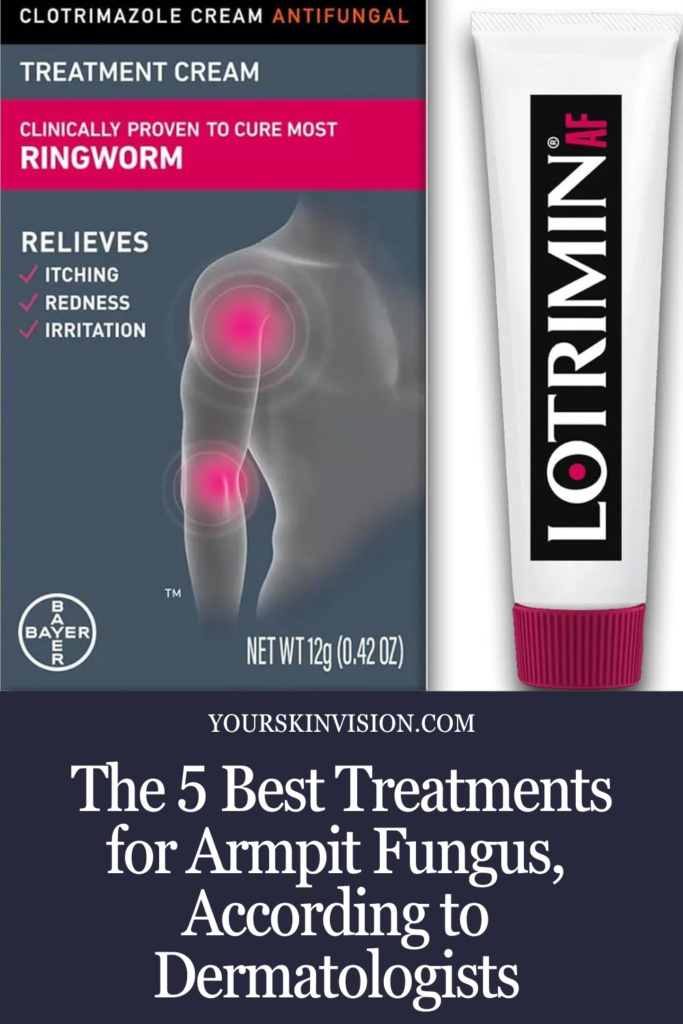
Table of Contents
What Causes Armpit Fungus in the First Place?
Your skin hosts a mix of bacteria and fungi at all times, and most of it stays balanced and harmless. Heat and trapped moisture throw that balance off. Tight clothing, heavy sweating, and skipping a shower after the gym all give fungus the warm, damp conditions it needs to multiply out of control.
Dr. Will Richardson, a board-certified dermatologist and founder of Natura Dermatology & Cosmetics in Fort Lauderdale, treats this kind of fungal overgrowth often in patients who sweat heavily or wear tight workout gear. He explains that ignoring early symptoms rarely helps. “It’s unlikely for most cases of jock itch to resolve completely without treatment,” he notes, adding that the underlying fungus “usually requires antifungal medication to be eliminated.”
The same fungi responsible for jock itch and athlete’s foot cause most cases of armpit fungus, because they don’t care which skin fold they land in. Once you understand that, the fix gets simpler. You need an antifungal ingredient, applied consistently, for as long as the label says.
How Do You Know If It’s Fungus and Not Just a Rash?
Armpit fungus tends to announce itself clearly. Look for a red or discolored patch, sometimes ring-shaped, that itches more than a regular irritation would. The skin may flake, crack, or develop small bumps along the edges. A musty or yeasty smell sometimes shows up, too, which sounds unpleasant because it is, but it’s also a useful clue.
Heat makes the itching worse. So does sweat. If your symptoms calm down after a shower and flare back up by afternoon, that pattern points toward fungus rather than a one-off allergic reaction to deodorant or laundry detergent.
Dr. Robert Antaya, a dermatologist who treats fungal skin conditions regularly, keeps his prevention advice simple. “Dry the area out,” he says, pointing out that this applies “whether it is in between your toes, your armpits, or under your breasts.” He adds that antifungal powder specifically “can keep the skin dry and inhibit fungal growth in moist areas.” If a rash doesn’t improve within a week or two of consistent treatment, that’s the signal to see a dermatologist instead of waiting it out.
Which Ingredients Actually Kill Armpit Fungus?
Not every cream on the shelf does the same job. A handful of active ingredients carry the real evidence behind them, and dermatologists tend to repeat the same names for a reason.
Clotrimazole and miconazole both disrupt the fungal cell membrane and work well against yeast infections, including the Candida overgrowth behind most armpit fungus cases. Terbinafine takes a more aggressive approach. Instead of just slowing fungal growth, it kills the fungus outright, which is why it often clears symptoms faster.
Dr. Carolina Fernandez, a board-certified dermatologist, breaks down the differences plainly. She notes that ketoconazole “is most effective in the treatment of yeast infections,” while for other fungal infections, “other agents such as terbinafine, econazole, or clotrimazole are typically more effective.” That distinction matters when you’re standing in a pharmacy aisle trying to pick the right tube.
Below are the five products dermatologists mention most often for treating fungal skin infections, including the kind that shows up in your armpits. Each one is sold on Amazon, and each uses one of the ingredients named above.
The 5 Best Armpit Fungus Treatments on Amazon

1. Terrasil Clotrimazole Antifungal Cream
If you’re dealing with armpit fungus, the Terrasil Clotrimazole Antifungal Cream can be an effective treatment option because it combines 1% Clotrimazole, a proven antifungal ingredient, with soothing natural ingredients that help relieve irritation while fighting the underlying fungal infection.
The warm, moist environment of the underarm area can make it a common place for fungal overgrowth, which may cause symptoms such as itching, redness, irritation, rash-like patches, burning sensations, skin discoloration, or persistent discomfort. This cream works by targeting and eliminating the fungus responsible for these symptoms while helping the skin recover.
One of the biggest benefits of armpit fungus is its ability to provide fast relief from itching, burning, and irritation. As the antifungal ingredient begins to work, many users notice the area becoming less inflamed and more comfortable within a few days. The moisturizing ingredients also help soothe dry, cracked, or damaged skin that can develop from persistent fungal irritation.
The formula is particularly suitable for sensitive areas like the underarms because it is free from steroids, parabens, fragrances, dyes, and harsh alcohols. This makes it gentler on delicate skin while still delivering strong antifungal action.
With consistent use as directed, the cream helps clear fungal infections, reduce redness and discomfort, and support healthier-looking skin. For those struggling with fungal rashes or recurring fungal irritation under the arms, Terrasil provides targeted treatment while helping restore comfort and confidence. If symptoms persist, worsen, or frequently return, consulting a healthcare professional is recommended for proper diagnosis and treatment guidance.

2. Lotrimin AF Antifungal Cream (Clotrimazole 1%)
Lotrimin AF tops most dermatologists’ lists for a simple reason: clotrimazole has decades of clinical use behind it, and it works on both yeast and the dermatophyte fungi that cause ringworm-type infections. That range matters for armpit fungus specifically, since you can’t always tell which type you’re dealing with just by looking at it.
The cream goes on thin, absorbs fast, and doesn’t leave the sticky residue some antifungal ointments do, which counts for a lot when you’re applying it to a spot that already feels irritated. Most users apply it twice daily for two to four weeks, even after the itching fades, because stopping early is the most common reason fungal infections come back.
What users report: Buyers who’ve used Lotrimin’s clotrimazole cream for skin fold irritation report overnight relief from itching and scaling, with some noting it works well on rashes beyond athlete’s foot, including eczema-prone skin and general fungal irritation. One longtime user called it the only antifungal cream her household uses, saying it clears symptoms within 24 hours of starting treatment.
Another shopper, whose husband had a severe case of athlete’s foot, reported that the itching and bleeding stopped within a week and the skin fully healed not long after. The most common complaint isn’t about effectiveness. It’s tube size, since the smaller packaging means a full four-week course sometimes requires a second purchase.

3. SAVILAND Antifungal Cream Max Strength (25% Zinc Undecylenate)
If you’re dealing with armpit fungus, the SAVILAND Antifungal Cream Max Strength can be a highly effective treatment thanks to its powerful combination of 25% Zinc Undecylenate, Tea Tree Oil, Oregano Oil, and soothing botanical ingredients. The underarm area is naturally warm and moist, creating an environment where fungal infections can thrive, often causing itching, redness, irritation, odor, and uncomfortable rashes.
This formula helps by targeting the fungus at its source while providing fast relief from common symptoms. The high-strength Zinc Undecylenate works to stop fungal growth and help clear the infection, making it particularly useful for fungal rashes that develop in skin folds such as the armpits.
One of the standout benefits of armpit fungus is its rapid itch-relief action. The cooling menthol helps calm burning, itching, and irritation within minutes, making the affected area feel more comfortable while the antifungal ingredients do their work. This can help break the frustrating itch-scratch cycle that often worsens irritation and delays healing.
The addition of Tea Tree Oil, Oregano Oil, and more than 20 botanical ingredients helps support the skin barrier while moisturizing dry, damaged, or irritated skin. This is especially important because fungal infections can leave the underarm skin sensitive, inflamed, and prone to cracking.
Another advantage is the lightweight, non-greasy texture. Since underarms experience frequent friction and moisture, a fast-absorbing formula is ideal for daily use without leaving a sticky residue on the skin or clothing.
With consistent application, this cream can help reduce redness, itching, discomfort, and fungal overgrowth while promoting healthier-looking skin. For those struggling with persistent fungal irritation under the arms, SAVILAND offers a strong antifungal approach combined with soothing skin care benefits to help restore comfort and confidence.

4. Globe Clotrimazole Antifungal Cream 1% (Budget Pick)
For anyone managing symptoms on a budget, this generic clotrimazole cream uses the same active ingredient as Lotrimin AF, at a noticeably lower price. The FDA requires generic antifungal creams to match the active ingredient concentration of name-brand versions, so the difference here comes down to inactive ingredients and packaging, not effectiveness.
It’s a smart pick for anyone who knows clotrimazole already works for them and just wants to keep a tube on hand without paying brand markup every time.
What users report: Most buyers choose this product specifically because the listing invites direct comparison to Lotrimin AF, and reviewers in Amazon’s Q&A section confirm that’s exactly how they use it, as a like-for-like swap once they know clotrimazole works for them.
Feedback centers less on dramatic before-and-after stories and more on practical value: people stocking multiple tubes for a household, repeat buyers who treat it as their default fungal first-aid item, and shoppers who specifically call out that the active ingredient and concentration match the brand-name version dose for dose. That consistency is exactly why the savings feel low-risk to most reviewers.

5. Zeasorb Antifungal Powder (Miconazole Nitrate 2%)
Sometimes the smartest treatment isn’t a cream at all. Powders address the root environmental problem, excess moisture, while still delivering an active antifungal ingredient. Zeasorb combines miconazole nitrate with a super-absorbent base that pulls sweat away from the skin throughout the day.
This matters more than people expect. Creams treat the infection, but if your armpits stay damp from sweat all day, you’re fighting the fungus and feeding it at the same time. A powder like this works well alongside a cream, or on its own for milder, early-stage irritation.
What users report: This is where real reviews get specific in ways that are hard to fake. One reviewer described a recurring fold rash under the breast that had been treated with prescription creams and lotions for years without lasting results. A dermatologist recommended switching to this powder, applied after showering and again each morning, and the rash cleared within two days and hasn’t returned.
Another user managing a skin fold affected by weight described it as a “life saver,” noting that antifungal creams alone kept the area too moist, while the powder was the only product that controlled both the itch and the odor that comes with yeast overgrowth. Several reviewers specifically mention using it on overlapping skin folds, underarms included, rather than just feet, which matches how dermatologists describe its role: pairing it with a cream rather than relying on it alone for an active infection.
How Long Does Armpit Fungus Take to Clear Up?
Most over-the-counter treatments need two to four weeks of consistent use, even if symptoms improve faster. That gap between feeling better and actually being cured trips up a lot of people. The itching and redness usually fade within the first week, but the fungus can still be present at a low level, and quitting early often brings the rash right back within days.
Apply the cream or powder exactly as the label describes, usually once or twice daily, and keep going for the full recommended period. Pair it with loose, breathable clothing and a quick shower after sweating, since moisture control speeds up everything else you’re doing.
When Should You See a Dermatologist Instead?
Home treatment handles most cases, but a few warning signs mean it’s time to call a professional. If symptoms haven’t improved after two weeks of consistent OTC treatment, if the rash spreads rapidly, or if you develop fever or significant swelling alongside the itching, see a dermatologist rather than switching products on your own.
People with diabetes or weakened immune systems should also skip the wait-and-see approach, because fungal infections can progress faster and respond less predictably in those cases. A dermatologist can prescribe stronger topical options or oral antifungals like fluconazole when OTC treatment isn’t cutting it.
Final Thoughts
Armpit fungus feels embarrassing, but it’s common, treatable, and rarely serious when you catch it early. Clotrimazole and terbinafine creams handle most cases within a few weeks, while a moisture-absorbing powder helps prevent the problem from returning once you’ve cleared it.
Pick the product that matches your skin’s sensitivity and your infection’s severity, stick with it for the full course, and keep the area dry in between applications. If nothing improves after a couple of weeks, a dermatologist can take it from there.
