
If you’ve spotted a strange, ring-shaped rash on your child’s skin, your first instinct is probably to panic a little. That’s completely normal. Most parents assume “ringworm” means worms; it doesn’t. Despite the name, ringworm has nothing to do with any actual worm. It’s a fungal infection, and it’s far more common in children than most people realize.
Ringworm spreads easily in schools, daycares, and sports facilities, anywhere kids share spaces, equipment, or towels. The good news? It’s very treatable. Most cases clear up within two to four weeks with the right approach. The tricky part is catching it early, treating it correctly, and stopping it from spreading to other kids in your household.
This article covers everything you need to know, from spotting the symptoms and understanding the causes, to choosing the best treatments and using safe home remedies. You’ll also find practical prevention advice so ringworm doesn’t keep coming back.
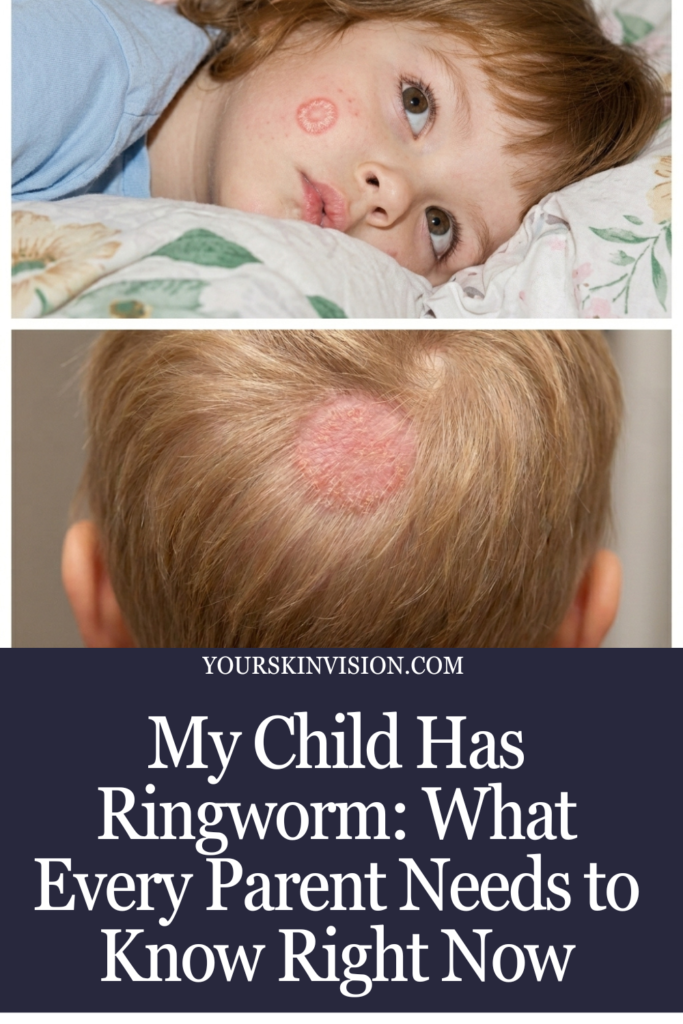
Table of Contents
What Exactly Is Ringworm, and Why Do Kids Get It So Often?
Ringworm, known medically as tinea, is a fungal skin infection caused by a group of fungi called dermatophytes. These fungi feed on keratin, which is the protein found in skin, hair, and nails. That’s why ringworm can show up in so many places on the body: the scalp (tinea capitis), the body (tinea corporis), the feet (tinea pedis, or athlete’s foot), or the groin (tinea cruris, or jock itch).
Kids get it far more often than adults because their immune systems are still developing, and they spend a lot of time in close contact with other children. A busy classroom, a shared gym mat, a swimming pool locker room, any of these environments can carry the fungus. Children also tend to touch their faces, share hats, and swap sports gear without thinking twice about it.
According to the American Academy of Dermatology, scalp ringworm (tinea capitis) is especially common in children between the ages of 3 and 7. Body ringworm can affect kids of any age. Neither form discriminates, clean or dirty, active or not; any child can pick it up.
What Does Ringworm Look Like in Children?
How Do I Know If My Child Has Ringworm or Something Else?
This question trips up a lot of parents because ringworm genuinely looks like several other skin conditions. The classic sign is a round or oval rash with a raised, red, scaly border and a clearer (sometimes normal-looking) center. That ring shape is where the name comes from.
Here’s what to watch for:
- A circular or oval patch of red, flaky skin
- A raised edge that may look blistered or scaly
- The center of the ring appears lighter or less inflamed than the edges
- The rash may feel itchy, sometimes intensely so
- Multiple rings can appear and may overlap
On the scalp, ringworm looks a bit different. You might notice patchy hair loss, scaling that resembles dandruff, or small black dots where hairs have broken off at the surface. Some children develop a painful, swollen lump called a kerion. This happens when the body mounts a strong immune response to the fungus. A kerion can ooze and may be mistaken for an abscess.
Ringworm on the body often gets confused with eczema, psoriasis, or pityriasis rosea. If you’re not sure what you’re looking at, don’t guess; get a doctor’s opinion. A pediatrician can usually diagnose ringworm just by looking at it, though they may use a UV light (Wood’s lamp) or take a skin scraping to confirm.
What Causes Ringworm in Kids? Understanding How the Fungus Spreads
How Does Ringworm Spread From Child to Child?
Ringworm spreads in three main ways: direct skin-to-skin contact, contact with contaminated objects or surfaces, and contact with infected animals.
Person-to-person contact is the most common route. A child touches an infected classmate’s skin, and the fungus transfers. Wrestling, contact sports, and even just sitting close together in school can all create the right conditions for spread. The fungus can survive on surfaces for months, which makes shared spaces genuinely risky.
Object-to-person spread happens when a child touches a contaminated surface. Shared combs, hats, pillowcases, towels, sports helmets, and gym mats all carry the fungus. In schools, this kind of environmental spread is hard to control; one infected child can leave traces on dozens of surfaces before anyone realizes what’s happening.
Animal-to-person spread is more common than many parents expect. Cats, dogs, rabbits, and farm animals can all carry ringworm fungi on their fur without showing obvious symptoms. Your child can pick up the infection simply by petting an infected animal and then touching their skin or scalp.
Certain factors make a child more vulnerable:
- Warm, humid climates — the fungus thrives in heat and moisture
- Excessive sweating — damp skin makes it easier for fungi to establish themselves
- Minor skin injuries — small cuts or abrasions give the fungus an entry point
- Weakened immunity — children on certain medications or with immune conditions are at higher risk
- Crowded living conditions — shared bedrooms or bathrooms increase exposure
Understanding the route of infection matters because it directly shapes your prevention strategy. If your child keeps getting reinfected, think about where the fungus might be hiding, in the family pet’s fur, a shared sports helmet, or a pile of communal gym towels.
How Do Doctors Treat Ringworm in Children?
What’s the Best Medical Treatment for Ringworm in Kids?
Treatment depends on where the ringworm is on your child’s body. Body ringworm (on the skin) responds well to antifungal creams. Scalp ringworm requires oral medication because topical creams can’t penetrate the hair follicles well enough to clear the infection.
Treating Body Ringworm
For ringworm on the skin, over-the-counter antifungal creams are usually the first step. Effective options include:
- Clotrimazole (brand names: Lotrimin, Canesten)
- Miconazole (brand name: Monistat-Derm)
- Terbinafine (brand name: Lamisil)
Apply the cream to the rash and extend it about an inch beyond the edge of the visible ring. Do this once or twice a day, as directed. Most cases of body ringworm clear within two to four weeks.
One common mistake parents make: they stop treatment as soon as the rash looks better. Don’t do that. Keep applying the cream for the full recommended period, usually one to two weeks after the rash disappears, to make sure the fungus is completely gone. Stopping early is one of the main reasons ringworm comes back.
If OTC creams don’t clear things up within two weeks, or if the rash is widespread, a doctor may prescribe a stronger topical antifungal or a short course of oral medication.
Treating Scalp Ringworm
Scalp ringworm always needs prescription oral antifungal medication. The most commonly used drug in children is griseofulvin, which doctors have used safely for decades. Newer options include terbinafine and itraconazole, which may work faster and require shorter treatment courses.
Treatment typically lasts six to eight weeks, sometimes longer. During treatment, most doctors also recommend using an antifungal shampoo, such as one containing selenium sulfide or ketoconazole, two to three times a week. The shampoo alone won’t cure scalp ringworm, but it reduces fungal shedding, which lowers the risk of spreading the infection to siblings and classmates.
Your child can usually return to school once treatment begins. However, check with your child’s school about their specific policy; some schools require a doctor’s note or proof of treatment before letting an infected child back in the classroom.
Are There Safe Home Remedies for Ringworm in Kids?
Can I Treat My Child’s Ringworm at Home Without a Doctor?
Honestly, it depends. Mild body ringworm in an otherwise healthy child can often be treated at home with over-the-counter antifungal cream. Scalp ringworm, however, needs a doctor. It won’t clear with home remedies alone, and leaving it untreated risks permanent hair loss.
That said, some home approaches can support, not replace, medical treatment. Here’s what the evidence suggests:
Tea tree oil has antifungal properties that a few small studies support. Dilute it well before applying to a child’s skin (roughly 1–2 drops per teaspoon of carrier oil like coconut oil). Never apply undiluted essential oils to a child’s skin, and avoid using tea tree oil on children under two years old.
Apple cider vinegar gets a lot of attention online. Some people swear by it. The science is thin, though, while vinegar does have mild antifungal activity in lab settings, there’s no strong clinical evidence that it clears ringworm infections on the skin. More importantly, it can irritate sensitive skin, especially in children. Use this one cautiously, if at all.
Coconut oil contains caprylic acid, which has documented antifungal activity. Applying virgin coconut oil to a mild skin rash may help reduce symptoms, and it’s generally safe for children’s skin. It won’t hurt, and it may help a little.
Keeping the area clean and dry isn’t a remedy exactly, but it’s probably the most effective thing you can do alongside proper antifungal treatment. Moisture promotes fungal growth. Pat the area dry after bathing, avoid occlusive clothing, and change your child’s clothes daily.
One thing to be careful about: hydrocortisone or other steroid creams. Parents sometimes reach for these when they see a red, itchy rash. Steroids suppress the immune response in the skin, which makes ringworm worse and can cause the infection to spread rapidly (a condition called tinea incognito). If you’re not certain what the rash is, don’t put hydrocortisone on it.
How Long Does Ringworm Last in Children, and Is It Contagious?
When Can My Child Go Back to School With Ringworm?
Ringworm is contagious from the moment the rash appears until it’s completely gone, or until your child has been on treatment for at least 24 to 48 hours, depending on the school’s policy. Body ringworm becomes less contagious within a day or two of starting antifungal cream. Scalp ringworm requires oral medication before the contagious period truly drops off.
With proper treatment, body ringworm typically clears within two to four weeks. Scalp ringworm takes longer, often six to eight weeks or more. The infection doesn’t go away on its own. Without treatment, it can persist for months and spread to other areas of the body or to other people in the household.
During the treatment period, take these steps to prevent spread within your family:
- Don’t share towels, combs, brushes, hats, pillowcases, or clothing
- Wash bed linens and towels frequently in hot water
- Disinfect shared surfaces in the bathroom
- Check siblings and pets for signs of infection
- Keep your child’s fingernails short; scratching spreads the fungus to other areas
If a pet is the likely source, take the animal to a veterinarian. Treating the family pet is just as important as treating your child, because the infection will keep cycling back if the source isn’t addressed.
How Can You Prevent Ringworm From Coming Back?
What Steps Actually Work to Stop Ringworm From Recurring?
Prevention mostly comes down to hygiene habits and reducing exposure to contaminated surfaces. These aren’t complicated changes, but they do require consistency.
Teach your child not to share personal items. Combs, hats, helmets, towels, and clothing should belong to one person. This is especially important during sports season when kids routinely swap gear.
Encourage showering after sports or gym activities. Sweat creates the warm, moist environment that fungi love. A shower within an hour of physical activity, followed by thorough drying, especially in skin folds, makes it significantly harder for a fungal infection to take hold.
Wear footwear in communal areas. Pool locker rooms, gym showers, and changing rooms are prime spots for fungal pickup. Flip-flops cost very little and prevent a lot of infections.
Check the family pet regularly. Patchy fur, scaly skin, or areas of hair loss in a cat or dog can signal ringworm. Many pets carry it without looking particularly unwell. A vet check is a good idea if your child keeps getting reinfected and there’s no obvious source among classmates.
Treat infections completely. This one matters more than most parents realize. Stopping treatment early because the rash looks better is how ringworm survives to come back. Finish the full course every single time.
Boost general skin health. Well-moisturized, intact skin is harder for fungi to penetrate. Keep your child’s skin healthy, treat minor cuts and scrapes promptly, and don’t let skin dry out to the point of cracking.
When Should You See a Doctor About Ringworm?
Most mild cases of body ringworm don’t need an urgent doctor visit. But some situations absolutely warrant professional attention:
- The rash is on your child’s scalp
- The infection looks infected (painful swelling, pus, fever)
- OTC treatment hasn’t improved things after two weeks
- The rash is spreading rapidly or covering a large area
- Your child has a weakened immune system
- You’re not confident it’s ringworm and not something else
Scalp infections, especially, should never be left untreated. Without proper antifungal medication, tinea capitis can cause permanent scarring of hair follicles and lasting hair loss. Catching it early and treating it aggressively protects your child from a complication that could follow them into adulthood.
The Bottom Line on Ringworm in Kids
Ringworm is genuinely common, genuinely treatable, and genuinely something most parents don’t need to lose sleep over, as long as you catch it and handle it correctly. The name sounds scary, and the ring shape looks alarming, but this infection responds well to antifungal treatment when you use it consistently and long enough.
Body ringworm on the skin? An over-the-counter cream usually does the job. Scalp ringworm? Get to a doctor; you need prescription medication, and the sooner you start, the better the outcome.
The bigger challenge is stopping the cycle. Ringworm comes back when treatment is cut short, when family pets go untreated, or when kids continue sharing items at school. Breaking that cycle takes a bit of vigilance, but it’s completely doable.
If you’re unsure whether what you’re seeing is ringworm, don’t guess. Get it checked. A quick appointment with your pediatrician or a dermatologist will give you a clear answer and a clear plan, and that’s always better than hoping a mystery rash resolves on its own.
Other Related Articles
- Ringworm in Cats: Causes, Symptoms, Treatments, and Home Remedies
- Ringworm in Humans: Causes, Symptoms, Treatments
- How Long Does It Take for Ringworm to Go Away? What You Should Expect
- Home Remedies for Ringworm in Humans: What Actually Works (And What to Skip)
- The 5 Best Antibacterial Creams for Wounds According to Dermatologists
Sources
- American Academy of Dermatology (AAD): “Ringworm: Signs and symptoms” — aad.org
- Centers for Disease Control and Prevention (CDC): “Ringworm” — cdc.gov/fungal
- Mayo Clinic: “Ringworm (body)” — mayoclinic.org
- Pediatrics (AAP Journal): “Tinea capitis in the pediatric population” — publications.aap.org
- UpToDate: “Dermatophyte (tinea) infections” — uptodate.com
