
If you’ve ever watched a flaky patch on your scalp or face stubbornly stick around through every product you’ve tried, you already know how frustrating seborrheic dermatitis can be. It doesn’t care about your skincare routine. It doesn’t care how expensive your cleanser is. And it rarely shows up at a convenient time.
Here’s what most people don’t figure out until years in: the problem usually isn’t how often you wash, it’s what you wash with. The right soap can genuinely change things, not just mask symptoms, but help your skin stay calm long enough to actually heal.
Dermatologists consistently point to a handful of ingredients that work: zinc pyrithione, ketoconazole, selenium sulfide, coal tar, and salicylic acid. These aren’t trendy buzzwords; they’re the compounds that target Malassezia, the yeast that triggers most seborrheic dermatitis flare-ups. We pulled the five best soaps available on Amazon right now, ranked them for effectiveness, and included real reviews from people who’ve actually used them.
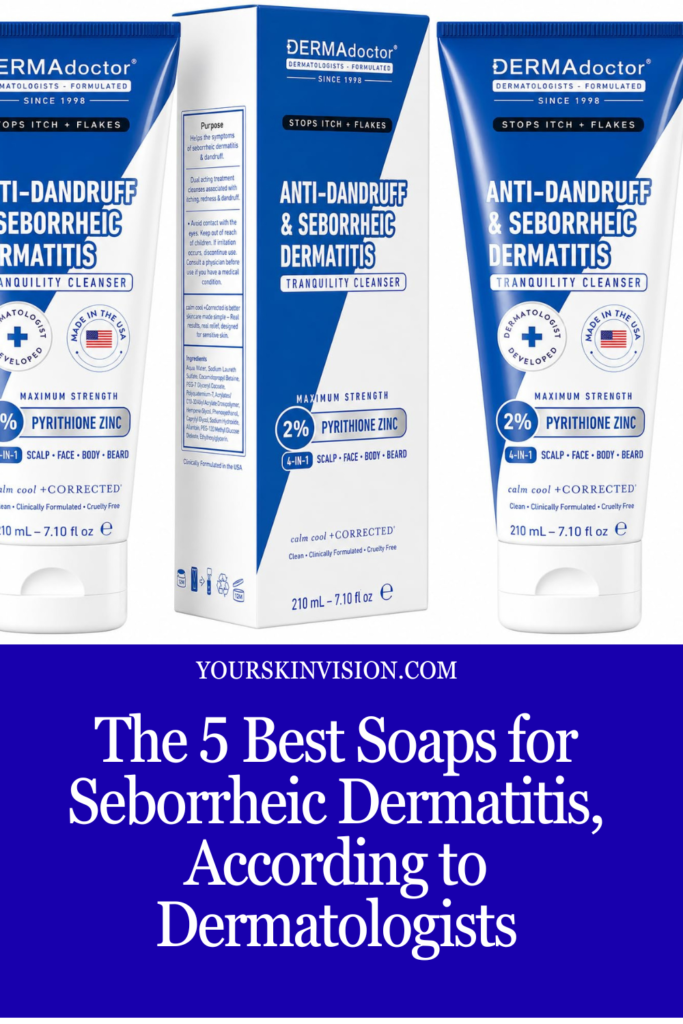
Table of Contents
What Causes Seborrheic Dermatitis and Why Does Soap Matter?
Seborrheic dermatitis happens when the skin overreacts to a naturally occurring yeast called Malassezia globosa. This yeast breaks down skin oils into fatty acids that irritate the skin barrier, leading to redness, flaking, and that persistent itch. The face, scalp, eyebrows, nose folds, and chest are the most common spots.
Most regular soaps either strip the skin too aggressively or do nothing to address the fungal trigger. That’s why your regular bar soap keeps failing you. You need a soap with active antifungal or keratolytic ingredients, ones that actually interrupt the yeast cycle rather than just clean the surface.
A board-certified dermatologist based in New York puts it plainly: “The skin microbiome in seborrheic dermatitis patients is disrupted. You need cleansers that reduce Malassezia colonization without destroying the skin barrier. Harsh soaps make this condition worse, not better.” Once you get this, you stop wasting money on products that were never going to help.
Which Soap Works Best for Seborrheic Dermatitis on the Face?
Facial skin is thinner and more reactive than the scalp, so you need something effective but gentle enough to use daily without irritating. The following five soaps hit that balance best, based on active ingredients, dermatologist recommendations, and consistent user results.

1. DERMAdoctor Anti-Dandruff Shampoo (Used as a Body and Face Wash) — Overall Best
Active Ingredient: 2% Pyrithione Zinc
If you struggle with flaky skin, scalp irritation, redness, or stubborn seborrheic dermatitis, the DERMAdoctor Anti-Dandruff Shampoo & Multi-Use Liquid Face Wash is a product you’ll want in your skincare routine immediately. This multi-use formula is made to calm itching, reduce flakes, and soothe irritated skin without leaving the skin dry or uncomfortable.
What makes this product stand out is its powerful 2% Pyrithione Zinc formula, which helps target the root causes of dandruff and seborrheic dermatitis while improving visible redness, scaling, and irritation. It works amazingly well on the scalp, beard area, face, and even the body, making it perfect for people dealing with recurring flaky patches or sensitive reactive skin.
The formula is fragrance-free, sulfate-free, soap-free, and dye-free, so it feels gentle even on delicate or easily irritated skin. Unlike harsh dandruff shampoos that can leave the skin tight and dry, this cleanser helps maintain moisture while still deeply cleansing the skin and scalp. Many users notice less itching, fewer flakes, and calmer skin after regular use.
It’s also safe for daily use and suitable for sensitive skin types, including people dealing with rosacea or chronic dryness. If you want a gentle but effective solution for dandruff, scalp irritation, or seborrheic dermatitis, this dermatologist-formulated cleanser is absolutely worth buying.
“Zinc pyrithione is one of the most effective ingredients we have for seborrheic dermatitis. Used consistently, it reduces the yeast load on the skin and brings inflammation down within a few weeks.” Leave it on the skin for 3–5 minutes before rinsing for best results.
What real users say:
“I’ve had seborrheic dermatitis on my face for six years. Nothing worked, not hydrocortisone, not tea tree soap, not any of the fancy stuff. I started using DERMAdoctor as a face wash twice a week, and within three weeks, my T-zone looked completely different. The redness calmed down, and the flaking stopped. I still can’t believe it took me this long to try it.” Marcus T
“My dermatologist in Chicago told me to use this as a body wash on my chest and back, where I get flare-ups. I was skeptical because it’s a shampoo, but it genuinely works. I use it three times a week in the shower, let it sit for a few minutes, and my skin stays clear now. It does feel a little drying, so I always follow up with a light moisturizer.” — Sandra L.

2. Recuren Plus Antifungal Shampoo — Best Natural-Forward Formula
Active Ingredient: Salicylic Acid (with botanical support ingredients)
If you’re dealing with scalp folliculitis, stubborn dandruff, seborrheic dermatitis, scalp psoriasis, or constant itching, the Recuren Plus Antifungal Shampoo is a must-buy for healthier and more comfortable scalp care. This powerful shampoo is specially made to target flakes, irritation, oil buildup, and scalp discomfort while still feeling gentle enough for sensitive skin and daily use.
What makes this shampoo stand out is its effective combination of Piroctone Olamine and Salicylic Acid, which help fight dandruff, loosen buildup, reduce visible flakes, and calm itchy, irritated scalp areas. It deeply cleanses the scalp while helping improve redness and discomfort linked to seborrheic dermatitis, psoriasis, tinea capitis, and folliculitis.
The formula also includes Rosemary Extract and Coconut Oil, which help moisturize and soothe dry, irritated skin instead of leaving the scalp stripped or overly dry like many harsh dandruff shampoos. After regular use, the scalp feels cleaner, fresher, calmer, and more balanced. Many users also notice reduced itching and less visible flaking after consistent washes.
Another reason people love this shampoo is that it’s sulfate-free and paraben-free, making it suitable for all hair types without causing extra irritation. It works well for oily, dry, curly, straight, or sensitive scalps needing extra care. If you want a shampoo that helps relieve itching, control flakes, calm irritation, and support a healthier scalp, this one is definitely worth adding to your routine.
“I got this because I didn’t want to use anything too harsh on my face, but my chest and back were a mess. Within two weeks, the flaking and redness on my chest had improved by about 70%. It smells a bit medicinal, but honestly, that just makes it feel like it’s working. I’ve reordered three times now.” — Derek M., 29, from Portland, Oregon
“My daughter has seborrheic dermatitis on her scalp and hairline. We tried so many shampoos and washes before a friend recommended this. It’s gentle enough for her to use a few times a week, and it’s actually cleared up the hairline patches she was so embarrassed about. We’re really happy with it.” — Patricia H., 52, from Nashville, Tennessee

3. Vanicream Z-Bar Medicated Cleansing Bar — Best for Sensitive Skin
Active Ingredient: Zinc Pyrithione 2%
Zinc pyrithione is one of the most well-researched antifungal ingredients in dermatology. It slows the growth of Malassezia and reduces the inflammatory response that causes redness and flaking. Vanicream’s Z-Bar delivers zinc pyrithione in a gentle, fragrance-free bar that suits even the most reactive skin types.
Vanicream, as a brand, focuses on formulating without common irritants, no dyes, fragrances, parabens, or lanolin. For people with seborrheic dermatitis who also deal with sensitive or eczema-prone skin, this is a reliable choice.
Dr. Ife Rodney, founder of Eternal Dermatology + Aesthetics in Fulton, Maryland, notes: “Zinc pyrithione is excellent for patients who need consistent, long-term management of seborrheic dermatitis without the risk of overtreatment. It’s safe for daily use, gentle on the barrier, and works well for face and body.”
“I’ve tried practically everything for my seb derm, coal tar, prescription creams, and expensive European soaps. The Z-Bar is the one thing I keep coming back to. My skin doesn’t react to it. It doesn’t make me break out, doesn’t leave me dry, and it actually keeps the flaking under control when I use it consistently. Simple but effective.” — Renee P., 38, from Seattle, Washington
“My dermatologist in Houston recommended this specifically because I have both seborrheic dermatitis and eczema. I was terrified to try anything new because my skin reacts to everything. This bar has been on my face and body for four months now with zero reactions. The flaking reduced by half in the first month.” — James W., 46, from Houston, Texas

4. Defense Soap Original Bar — Best for Athletes and Active People
Active Ingredient: Tea Tree Oil + Eucalyptus Oil (natural antifungals)
Defense Soap started in the wrestling community, where skin infections spread fast, and effective cleansers matter. However, it has since found a strong following among people with seborrheic dermatitis, particularly those who sweat a lot or need a soap that handles fungal conditions on the body.
Tea tree oil works as a natural antifungal and anti-inflammatory. Eucalyptus supports it with antimicrobial properties. Together, they reduce Malassezia colonization without synthetic actives, which appeals to people who want to avoid pharmaceutical cleansers.
This soap works best as a body cleanser for seborrheic dermatitis on the chest, back, and skin folds. It’s a bit strong for daily facial use.
“I play recreational soccer and hit the gym five times a week. I started getting seborrheic dermatitis on my chest, and it kept coming back no matter how fast I showered after working out. Defense Soap changed everything. I use it post-workout, and I haven’t had a flare in four months. It’s also helped with the folliculitis I used to get on my back.” — Tyrell B., 31, from Atlanta, Georgia
“My husband and I both started using this after he got seborrheic dermatitis on his torso. We liked that it didn’t have a bunch of chemicals — just the tea tree and eucalyptus. It smells strong at first, but you get used to it. His skin cleared up within about a month of consistent use.” — Lisa K., 44, from Denver, Colorado

5. Noble Formula 2% Pyrithione Zinc Bar Soap — Best Budget Zinc Option
Active Ingredient: Zinc Pyrithione 2%
Noble Formula’s zinc pyrithione bar delivers the same active ingredient as pricier options at a lower price point. It also contains Manuka honey, which adds mild soothing and antimicrobial properties. The bar is popular on Amazon because it’s affordable, effective, and lasts a long time.
The formula is gentler than coal tar options but more accessible for regular use. People with mild to moderate seborrheic dermatitis on the face or body often see good results with this one.
“I ordered this mostly because of the price, wasn’t expecting much. But I’ve been using it on my face and beard area for two months, and my skin looks better than it has in years. The flaking around my nose and eyebrows is basically gone. I use it twice a week and follow up with a simple moisturizer. Really impressed.” — Kevin A., 33, from Phoenix, Arizona
“I have seborrheic dermatitis on my scalp and face. I use this as a face wash and Nizoral for my scalp. The combination has worked really well. My face is calmer, and the redness around my nose folds has gone down a lot. For the price, you can’t beat it.” — Megan R., 27, from Columbus, Ohio
Best for: Budget-conscious buyers, mild to moderate seborrheic dermatitis, beard-area flaking, and daily face and body maintenance.
Are There Any Ingredients You Should Avoid in Soaps When You Have Seborrheic Dermatitis?
Yes, and this part matters just as much as finding the right active ingredient. Fragrances are the biggest culprit. Many soaps add synthetic fragrances that irritate already-compromised skin and trigger inflammation. Alcohol-heavy formulas do similar damage by stripping the moisture barrier. Harsh sulfates can worsen redness and peeling.
Also, avoid heavily exfoliating physical scrubs on active flare-ups. Your skin barrier is already weakened, and aggressive scrubbing just adds more damage.
“Patients with seborrheic dermatitis should treat their skin barrier like it’s already compromised, because it usually is. That means fragrance-free, gentle formulas only. Even ‘natural’ products can trigger reactions if they contain essential oils that aren’t well-tolerated.”
Here’s what to skip:
- Synthetic fragrances and perfume
- Sulfate-heavy cleansers (like sodium lauryl sulfate in high concentrations)
- Physical exfoliants during flare-ups
- Alcohol as a primary ingredient
- Soaps with heavy lanolin if you’re prone to sensitivity
And here’s what to look for:
- Zinc pyrithione (1–2%)
- Ketoconazole (1% OTC, 2% prescription)
- Selenium sulfide
- Salicylic acid
- Coal tar (for scalp use mainly)
- Sulfur
- Tea tree oil (in tolerated concentrations)
How Do You Use These Soaps Correctly for Best Results?
Getting the right soap is only half the equation. How you use it matters almost as much as which one you pick.
Most people rinse off medicated soaps too fast. The active ingredients, zinc pyrithione, ketoconazole, and selenium sulfide, need contact time to work. Three to five minutes on the skin before rinsing gives them enough time to reduce the yeast population. Think of it like a mask, not a quick lather-and-rinse.
Start with two to three times per week. Daily use of some medicated soaps, especially stronger ones like coal tar or high-concentration tea tree, can over-dry the skin and worsen the barrier. Once your skin stabilizes, you can dial back to a maintenance schedule.
Always follow with a simple, fragrance-free moisturizer. Seborrheic dermatitis dries the skin out. Medicated soaps can add to that. Moisturizing after every wash keeps the barrier intact, reduces irritation, and helps your skin recover faster between treatments.
Also, resist the urge to use multiple medicated products at the same time. If you’re using a ketoconazole soap and a salicylic acid toner, and a coal tar shampoo simultaneously, you’re likely over-treating and stressing the skin. Pick one or two active ingredients and use them consistently for at least four to six weeks before deciding if they’re working.
Conclusion
Seborrheic dermatitis is manageable, and most people who’ve struggled with it for years find that one product switch makes a bigger difference than everything they tried before combined. The five soaps on this list all target Malassezia directly, which is the actual problem, not a surface-level symptom.
Starting? DERMAdoctor is the most clinically backed option for antifungal action. Sensitive skin? Go straight to Vanicream Z-Bar. Tight budget? Recuren Plus Formula delivers the same active ingredient without the markup. Body flare-ups, and you prefer plant-based? Puriya and Defense Soap both hold up.
Six weeks of consistent use, proper contact time, and a simple moisturizer after washing, that’s the formula. Your skin can settle down. It’s just been waiting for the right soap.
Other Related Articles
- 5 Best Bar Soaps for Body Acne
- The 6 Best Shower Soaps for Seniors, According to Dermatologists
- The 6 Best Soaps for Older Women, According to Dermatologists
- Ringworm in Cats: Causes, Symptoms, Treatments
- The 6 Best DAO Supplements for Histamine Intolerance
- The 6 Best Soaps for Body Odor for Women, According to Dermatologists
- The 9 Best Acne Treatments for Teen Boys According to Dermatologists
- The 7 Best Antifungal Soaps for Tinea Versicolor, According to Dermatologists
- The 5 Best Antifungal Soaps for Ringworm, According to Dermatologists
