
Your face keeps a diary, and retinol is the best editor you can hire. Every sunny afternoon, sleepless week, and breakout writes a line on your skin. Dermatologists rely on retinol to tidy that diary. It speeds up cell turnover, helps fade dark spots, and softens fine lines.
However, the shelf is crowded, and the wrong pick can leave you red and peeling. Most people know that feeling. This article covers five retinol face products that dermatologist-backed roundups recommend, and all five sell on Amazon. You’ll learn what to look for, which one fits your skin, and how to start without a rough first month.
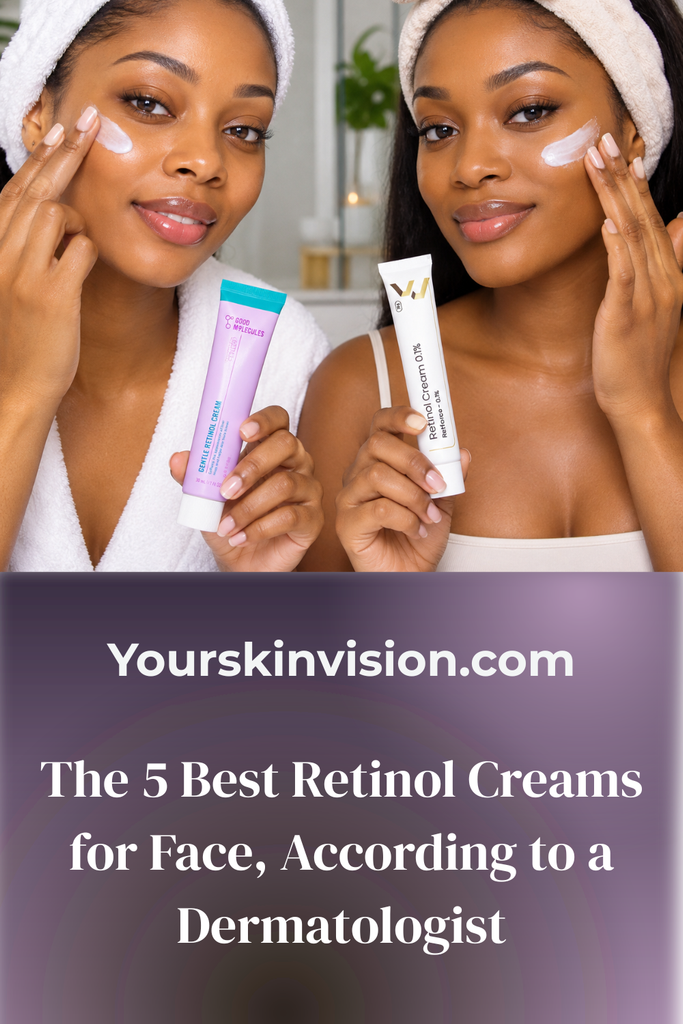
Table of Contents
What Should You Look for in a Retinol Face Cream?
Start with what retinol does. Jennifer Sawaya, MD, a board-certified dermatologist, told SELF that this vitamin A derivative helps exfoliate dead skin, promotes cell turnover, and improves tone and texture. It can also reduce the appearance of fine lines and wrinkles. Because it works on so many concerns, it suits acne marks, dullness, and early aging alike.
Next, check the formula. Dermatologists who spoke with NBC Select recommend products that also contain hydrating ingredients like hyaluronic acid. Retinol dries skin out, so a built-in moisturizer keeps your face comfortable.
Also, consider the format:
- Creams suit dry or normal skin, and they cushion retinol’s drying effect.
- Serums feel lighter, so oily and combination skin often prefer them.
- Beginner formulas use gentler strengths, which makes them a smart first step.
Finally, think about your patience. Retinol takes weeks to show results, so pick a product you’ll enjoy using every night.
Which Retinol Face Cream Is Best, According to Dermatologists?

1. Overall Best: RoC Retinol Correxion Max Daily Hydration Face Cream
RoC Retinol Correxion Max Daily Hydration Face Moisturizer is a great pick if you want retinol care without giving up moisture. It combines RoC Clinical Retinol with hyaluronic acid, glycerin, vitamin E, and ascorbic acid to smooth wrinkles while keeping skin soft and hydrated. The fragrance-free formula also works well for people who prefer simple skincare.
The cream has a lightweight, fast-absorbing texture that does not leave a greasy finish. Hyaluronic acid helps provide up to 48 hours of hydration, while retinol works on fine lines, wrinkles, firmness, and uneven texture. The non-comedogenic formula also makes it suitable for dry, combination, mature, and sensitive skin.
The results look promising. Clinical testing reports smoother-looking skin for 97% of users, while 96% saw reduced lines and wrinkles within one week. Customer feedback also praises the creamy texture and moisturizing feel, with many saying it leaves mature skin looking smoother, brighter, and more youthful.
For beginners, start every other night and slowly increase use as your skin adjusts. Apply it to clean, dry skin and always wear SPF 30+ during the day. Overall, this is a practical retinol moisturizer for anyone who wants wrinkle care, hydration, and a comfortable daily formula without a heavy or greasy finish.

2: Neutrogena Rapid Wrinkle Repair Regenerating Retinol Cream
NBC Select picked this as its best retinol cream. A dermatologist quoted in the piece called it a good and relatively affordable option. The formula also contains hyaluronic acid, which helps counter retinol’s drying effect.
This cream suits dry or normal skin best. The creamy texture feels comforting at night, and you can find it in most drugstores as well as online. That wide availability makes reordering easy. Because the price stays friendly, you can commit to the twelve weeks that retinol needs.
Many people quit costly products too early, and a budget jar removes that pressure. Neutrogena retinol cream is best for dry skin and shoppers who want strong value.
User Comments:
“I’ve been really happy with this moisturizer. It goes on smoothly and absorbs well without leaving my skin feeling greasy. I like that it combines retinol with a moisturizer, making it easy to add to my daily skincare routine. The hyaluronic acid also helps keep my skin feeling hydrated. Overall, a great product and easy to use consistently.”
“I bought this product about 6 months ago. I noticed fine lines around my mouth. Since then, I have reordered 3 times now. This product has literally stopped my aging. Or at least slowed it down, because I have not noticed any new fine lines. I also like how this hydrates my face. No allergic reactions; it also absorbs into your skin. Great product!”

3: Good Molecules Gentle Retinol Cream Review
Good Molecules Gentle Retinol Cream is a smart choice if you want to add retinol to your routine without starting with a strong formula. It contains 0.1% retinol, plus 0.30% bakuchiol, grape seed oil, allantoin, and Acmella Oleracea extract. Together, these ingredients help soften fine lines, improve the look of uneven texture, and keep skin feeling comfortable.
The lightweight cream spreads easily and absorbs without leaving a greasy layer. Grape seed oil adds moisture, while allantoin helps calm the skin. The fragrance-free, vegan, and cruelty-free formula also makes it appealing for people who prefer simple skincare. You only need a tiny amount, so the 1-ounce tube can last for months.
Customer feedback is especially strong for texture and value. Many users say the cream leaves their skin smoother, brighter, and more even-toned. Others like it as an affordable alternative to pricier retinol products. However, some people report redness, burning, or dryness when they use it too often.
For beginners, start with two or three nights per week on clean, dry skin, then increase slowly as your skin adjusts. Follow with moisturizer and wear SPF 30+ every morning. Overall, Good Molecules Gentle Retinol Cream offers a budget-friendly way to add gentle retinol care to your routine while supporting smoother, healthier-looking skin.

4. Castel Royale Retinol Cream 0.1% Repair Review
Castel Royale Retinol Cream 0.1% Repair is a simple option for anyone who wants to add retinol to a daily skincare routine. It combines 0.1% retinol with a moisturizing base to help improve the look of fine lines, wrinkles, uneven texture, scars, and age spots. The lower retinol strength also makes it a reasonable starting point for people who are new to retinol.
With regular use, the cream helps support skin renewal and can leave the face looking smoother and more even. Retinol encourages skin cell turnover, which can gradually improve rough texture and the appearance of fine lines. It also makes this cream useful for mature skin that looks dull or uneven.
The moisturizing texture makes it easy to work into an evening routine. Start with a small amount two or three nights per week rather than using it every night right away. Give your skin time to adjust, then slowly increase use if your skin stays comfortable. Follow with a moisturizer if you notice dryness.
One important tip: retinol can make skin more sensitive to sunlight, so use SPF 30 or higher every morning. Overall, Castel Royale Retinol Cream 0.1% Repair offers a straightforward, budget-friendly way to target wrinkles, rough texture, scars, and age spots while keeping your routine simple.

5. Ebanel Retinol Cream for Face with Collagen & Peptides
Ebanel Retinol Cream is a great option if you want one moisturizer that tackles several signs of aging at once. Its liposomal retinol helps smooth fine lines and wrinkles, while bakuchiol adds extra skin-renewing support. Hydrolyzed collagen and peptides help improve the look of firmness and elasticity, making this cream especially appealing for mature skin.
The formula also packs in ceramides, hyaluronic acid, niacinamide, vitamin C, licorice root, and panthenol. These ingredients help hydrate, brighten dark spots, support the skin barrier, and create a smoother-looking complexion. Shea butter and jojoba oil add nourishment without making the cream feel overly heavy.
The 3.5 fl oz bottle offers plenty of product, so it can work for your face, neck, chest, hands, and body. Its fragrance-free, hypoallergenic, non-comedogenic formula also suits many skin types. Customer feedback often praises its creamy texture, hydration, and value, although some users report breakouts, burning, redness, or peeling.
If you are new to retinol, start two or three nights a week and increase slowly as your skin adjusts. Always wear SPF 30+ during the day because retinol can increase sun sensitivity. Patch testing also makes sense, especially for sensitive skin.
Overall, Ebanel offers a generous, multi-purpose retinol cream for shoppers who want hydration, smoother texture, brighter-looking skin, and wrinkle care in one product.
How Do You Start Using Retinol on Your Face Without Irritation?
Most retinol problems come from using too much, too soon. Here are few habits to keep your skin calm.
- Patch test first. Dab a little on a small area, such as your jawline, before you use it on your whole face. Wait a day to see how your skin reacts.
- Start two nights a week. Increase slowly over several weeks. If your skin feels tight or looks flaky, back off for a few days.
- Use a pea-sized amount. Spread it thinly across your whole face. More product won’t speed up results.
- Moisturize. Apply a plain moisturizer after your retinol, or before it if your skin feels sensitive.
- Wear sunscreen every morning. Retinol makes skin more sun-sensitive, so a daily SPF protects your progress.
- Avoid mixing strong actives on the same night. Skip harsh exfoliating acids on retinol nights, for example, until your skin adjusts.
Also, skip retinol if you’re pregnant or nursing, and ask your doctor what’s safe. People with eczema, rosacea, or very reactive skin should check with a dermatologist first.
Conclusion
The best retinol product is the one you’ll use consistently. RoC takes the top spot because NBC Select’s dermatologist-informed guide ranked it best overall. Neutrogena offers the best value cream.
Whichever you choose, give it twelve weeks before you judge it. Apply it at night, moisturize, and wear sunscreen every morning. Retinol rewards patience, and the changes build quietly over time. If you deal with stubborn acne, deep wrinkles, or ongoing irritation, see a board-certified dermatologist. They can prescribe stronger options and match them to your skin.
