
Your face is not a wall. It behaves more like a fence made of bricks and mortar, where skin cells act as the bricks and lipids hold everything together as the mortar. When that mortar breaks down, water escapes, irritants sneak in, and your skin starts to feel tight, red, or strangely sensitive to products it used to tolerate just fine.
Here are our top 5 best Moisturizers to repair the Skin Barrier:
- EltaMD Barrier Renewal Complex Face Moisturizer — Replenishes ceramides, hydrates deeply, and strengthens the skin barrier for softer, less irritated skin.
- La Roche-Posay Cicaplast Balm B5 — Calms irritation, reduces redness, and protects sensitive skin while supporting barrier recovery.
- First Aid Beauty Ultra Repair Cream — Soothes very dry, rough skin while restoring moisture and improving comfort.
- Paula’s Choice RESIST Barrier Repair Moisturizer — Provides gentle hydration without common irritants, making it ideal for dryness, fine lines, wrinkles, and loss of firmness.
- Aquaphor Healing Ointment — Seals in moisture and protects severely dry, cracked, or irritated areas for overnight barrier repair.
Keep reading to discover our complete review of these Moisturizers for Skin Barrier.
This is what dermatologists call a compromised skin barrier, and it happens to almost everyone at some point, whether from over-exfoliating, harsh weather, or a new retinol that moved too fast. The good news is that the right moisturizer can rebuild that mortar. Below, you will find five dermatologist-backed picks that actually do the job, all available on Amazon.
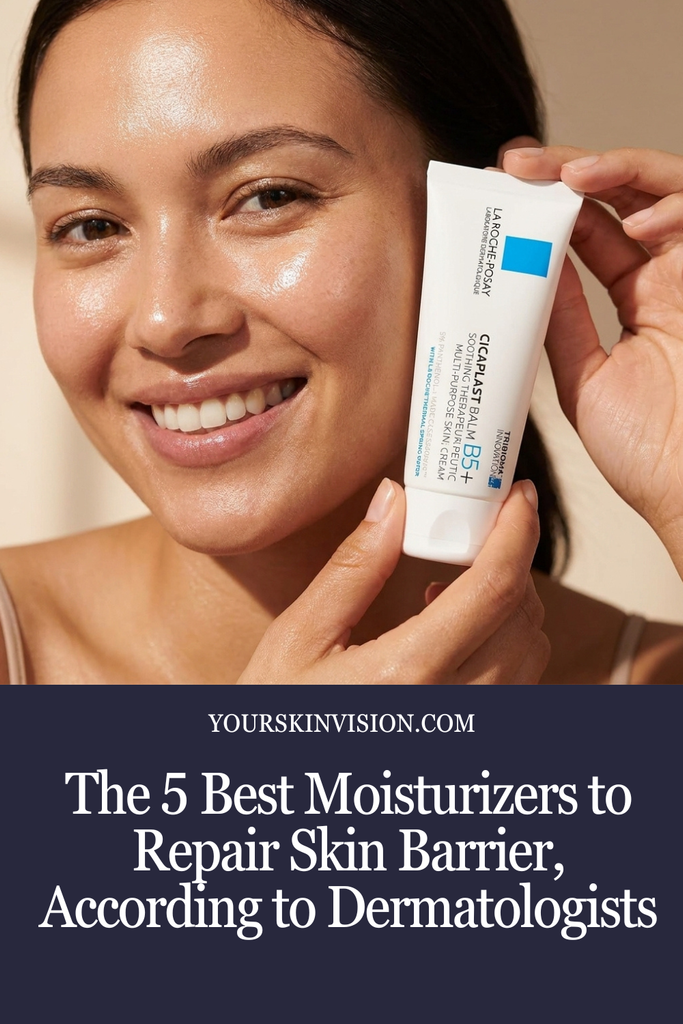
Table of Contents
What Causes a Damaged Skin Barrier?
Several everyday habits chip away at your skin barrier without you noticing right away. Over-exfoliation ranks high on the list, especially when acids and physical scrubs get used back-to-back. Long hot showers strip natural oils too, even though they feel relaxing in the moment. Cold, dry air pulls moisture out of your skin during winter months, and indoor heating makes the problem worse.
Board-certified dermatologist Dr. Terrence Keaney points out that dry, flaky, red, itchy, or rough skin usually signals a barrier that needs support rather than another active ingredient. That distinction matters because piling on more acids or retinoids at this stage often backfires. Your skin needs a break and some serious hydration first.
Stress and lack of sleep also play a role, since both affect how well your skin regenerates overnight. Add in things like hard water, fragranced products, and frequent air travel, and you get a barrier under constant low-grade attack. Recognizing the cause makes it easier to pick a fix.
How Do You Know If Your Skin Barrier Needs Repair?
Your skin usually sends clear signals before things get serious. Tightness after cleansing is one of the earliest signs, especially if it lingers for more than a few minutes. Flaking around the nose, cheeks, or eyebrows often follows next, along with patches that look dull no matter how much you moisturize.
Sensitivity is another giveaway. Products you have used for months might suddenly sting or cause redness, which usually means your barrier has thinned out. Because a healthy barrier blocks irritants, a damaged one lets everything through, including things that never bothered you before.
Board-certified dermatologist Dr. Stephen Suah explains that barrier creams protect skin against water loss and against an influx of allergens and irritants, which is exactly why symptoms flare up once that protection weakens. If your skin feels reactive, tight, or oddly fragile lately, treat it as a signal rather than something to push through with stronger products.
What Should You Look For in a Barrier Repair Moisturizer?
Not every “hydrating” moisturizer actually rebuilds your barrier, so ingredients matter here. Ceramides sit at the top of the list because they mimic the lipids your skin naturally produces. Cholesterol and fatty acids work alongside ceramides, and together they form what dermatologists call the skin’s natural 3:1:1 lipid ratio.
Humectants like glycerin and hyaluronic acid pull water into the skin, but they need occlusives to lock that water in. This is why the best barrier creams combine both types of ingredients instead of relying on just one. Niacinamide also shows up often because it calms inflammation while supporting the barrier at the same time.
Dr. Stacy Chimento sums up the goal simply: repairing the barrier means giving skin “the essential lipids and increasing water hydration” it needs to function properly. Fragrance-free formulas tend to work best for compromised skin, since added scent can trigger more irritation during an already sensitive period. Keep these factors in mind as you shop, because they explain why the five picks below made this list.
What Are The Best Moisturizers for Skin Barrier Repair on Amazon

1. EltaMD Barrier Renewal Complex Face Moisturizer — Overall Best
EltaMD Barrier Renewal Complex Face Moisturizer is made for skin that feels dry, sensitive, rough, or weakened. When the skin barrier becomes compromised, it can lose moisture more easily and may look flaky, dull, or irritated. This fragrance-free moisturizer helps replenish hydration while supporting the skin barrier for a softer and smoother appearance.
A key part of the formula is its combination of ceramides and essential lipids. These ingredients help replenish components that are important to the skin’s protective barrier. By adding moisture and supporting the barrier, the cream can help dry skin hold onto hydration better and gradually improve the feel and appearance of rough, uneven texture.
For anyone dealing with a damaged or stressed skin barrier, this type of moisturizer can be especially useful. Consistent hydration helps reduce the dry, tight feeling that often occurs when the barrier is not functioning well. As the skin becomes better moisturized, it can look smoother, healthier, and more comfortable.
EltaMD reports that the product is clinically proven to visibly improve dry, compromised skin after a single application within 24 hours. With continued daily use, the brand also states that improvements in skin appearance can be seen within 21 days. Individual results can vary, especially depending on how dry or compromised the skin is.
Another advantage is that it works well for sensitive skin. The formula is fragrance-free, paraben-free, and non-comedogenic, making it a convenient choice for people who prefer a simple moisturizer without added fragrance.
Jessica, a 29-year-old from Austin, Texas, started using this cream after her dermatologist recommended it for peeling skin caused by a new tretinoin routine. She noticed less flaking within a week and says her skin finally stopped feeling tight after washing her face. Mark, a 41-year-old from Columbus, Ohio, picked it up for his eczema-prone hands during winter.

2. La Roche-Posay Cicaplast Balm B5 — Best for Sensitive and Irritated Skin
This balm has built a genuine cult following, and for good reason. Cicaplast Balm B5 combines panthenol, shea butter, and madecassoside to calm skin that feels raw, over-exfoliated, or freshly irritated from active ingredients. Because the texture sits somewhere between a cream and a balm, it creates a strong protective seal without feeling heavy or occlusive in an uncomfortable way.
People reach for this product after chemical peels, laser treatments, or simply after overdoing it with acids at home. It works well as a standalone moisturizer during a “skin fast,” when dermatologists recommend stripping your routine down to the basics until your barrier recovers.
Priya, a 33-year-old from San Jose, California, applied this balm after a professional peel left her skin red and tender. She says the stinging calmed down almost immediately and her redness faded within two days instead of the usual week. Tyler, a 26-year-old from Denver, Colorado, uses it after shaving to soothe razor burn on his neck. He describes it as the only product that stops the burning sensation without leaving a white cast or greasy feel.

3. First Aid Beauty Ultra Repair Cream — Best for Very Dry Skin
First Aid Beauty built its reputation on this cream, and it remains one of the most effective options for genuinely dry or eczema-prone skin. Colloidal oatmeal calms inflammation while shea butter and ceramides work together to restore softness. Because the formula also contains allantoin, it helps soothe rough, flaky patches that regular lotions often miss.
This cream absorbs faster than its thick texture suggests, which makes it a solid pick for people who dislike the greasy feel of heavier balms. It works equally well on elbows, knees, and cheeks, so one jar tends to last through an entire dry season without needing a backup.
Amanda, a 37-year-old from Portland, Oregon, struggled with eczema patches on her arms for years before trying this cream. She reports smoother skin within ten days and says the itching that used to wake her up at night finally settled down. Derek, a 45-year-old from Phoenix, Arizona, deals with extremely dry skin from the desert climate. He mentions that his usual lotions never lasted past midday, but this cream keeps his skin comfortable from morning until night.

4. Paula’s Choice RESIST Barrier Repair Moisturizer — Best for Aging Skin
Paula’s Choice RESIST Barrier Repair Advanced Face Moisturizer is a daily face cream designed for skin that needs more moisture while also showing signs of aging. Its combination of ceramides, cholesterol, peptides, and watermelon seed oil helps replenish the skin and improve the appearance of dryness, fine lines, wrinkles, and loss of firmness.
The formula contains skin-identical ceramides and cholesterol, which are important components of the skin’s natural protective barrier. When the barrier becomes weakened, the skin can lose water more easily and feel dry or tight. By replenishing these barrier-supporting ingredients, this moisturizer helps lock in moisture and maintain softer, more comfortable skin.
This makes it a useful choice for anyone focusing on skin barrier repair and long-lasting hydration. Instead of simply adding moisture temporarily, the formula is designed to help reduce moisture loss so the skin can stay hydrated throughout the day. Paula’s Choice states that hydration improves within about 30 minutes of application.
For mature-looking skin, the addition of Tripeptide-5 gives the moisturizer another benefit. Peptides help support the appearance of firmer, smoother skin, and the brand states that this formula has been clinically shown to visibly reduce wrinkles and other signs of aging. Watermelon seed oil also helps condition the skin while supporting the overall moisturizing effect.
The texture is creamy but lightweight enough for everyday use. It provides a comfortable moisturizing finish without making the face feel overly coated or greasy. That makes it suitable for different skin types, including dry, oily, and sensitive skin, especially when the skin needs additional hydration.
Regular use can help dry skin look smoother and more supple while reducing the appearance of fine lines caused or emphasized by dehydration. As the skin receives consistent moisture and barrier support, it can develop a healthier-looking texture and a softer appearance.
Karen, a 52-year-old from Nashville, Tennessee, has fragrance allergies that flare up with most skincare products. She says this cream never causes a reaction and has become the only moisturizer she trusts on her face and neck. Brian, a 30-year-old from Charlotte, North Carolina, developed a rash after using a scented body lotion. Switching to this cream cleared up his skin within a week, and he now checks every product label for fragrance before buying it.

5. Aquaphor Healing Ointment — Best for Overnight Repair
Aquaphor works differently than the other products on this list because it functions more as an occlusive ointment than a traditional cream. Petrolatum forms a protective seal over the skin, which locks in moisture and shields against outside irritants while you sleep. Because of this heavier texture, most people save it for nighttime use or for targeting specific problem spots rather than applying it all over the face.
Dermatologists often recommend this ointment for extremely compromised skin, such as cracked lips, chapped hands, or areas recovering from a rash. It also works well as the final step in “slugging,” a routine where people apply an occlusive layer over their regular moisturizer at night.
Lisa, a 38-year-old from Seattle, Washington, started slugging with this ointment after her skin barrier broke down from over-exfoliating. She noticed her skin looked noticeably plumper and less irritated within just a few nights. Chris, a 27-year-old from Miami, Florida, uses it on cracked heels every winter. He says it heals rough patches faster than any foot cream he has tried, even though the texture takes some getting used to at first.
Final Thoughts on Repairing Your Skin Barrier
Fixing a damaged skin barrier does not require a complicated ten-step routine. It requires the right ingredients, applied consistently, while you give your skin a break from harsh actives. Ceramides, ceramide-supporting lipids, and gentle humectants show up in every product on this list because dermatologists trust that combination for a reason.
Start with the pick that matches your skin type, and stick with it for at least two weeks before judging results. Barrier repair takes time, but the improvement usually feels obvious once it happens. Your skin will thank you with less redness, less tightness, and a lot more resilience against whatever your routine or the weather throws at it next.
