
Most people treat their facial cleanser as a neutral step- something that removes makeup and dirt before the “real” skincare begins. Dermatologists know that for clogged pores specifically, the cleanser is anything but neutral. It’s the daily opportunity to deliver active ingredients directly to the follicle opening before any sebum, makeup, or occlusive product covers the surface.
A cleanser containing salicylic acid, benzoyl peroxide, or glycolic acid spends meaningful contact time inside pores with every wash, clearing congestion, exfoliating the follicular lining, and killing the bacteria that turn clogged pores into inflammatory acne.
A poorly chosen cleanser can also worsen clogged pores by depositing comedogenic residue, stripping the barrier to trigger compensatory oil production, or using the wrong surfactants that leave pore-clogging film behind. This article covers the best facial cleansers for clogged pores that dermatologists specifically recommend, all on Amazon.
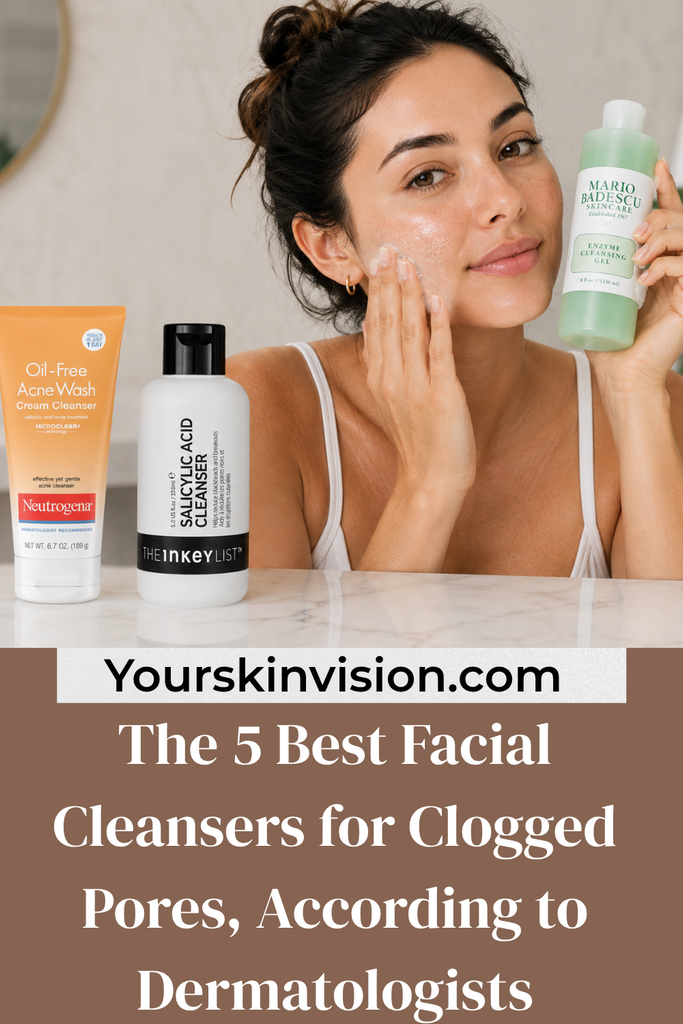
Table of Contents
Here are the Things Dermatologists Look for in a Cleanser That Actually Clears Clogged Pores
Dermatologists evaluate cleansers for clogged pores differently than they evaluate cleansers for other skin types, because a cleanser for this concern needs to do more than clean. It needs to deliver an active ingredient to the follicle with sufficient contact time to produce meaningful pore-clearing benefit.
Board-certified dermatologist Dr. Joshua Zeichner, director of cosmetic and clinical research in dermatology at Mount Sinai Hospital in New York and a widely cited expert in Allure, Vogue, and Self, explains that a cleanser’s active ingredient contact time is what separates a genuinely pore-clearing formula from one that simply claims the benefit on the label.
Most cleansers rinse off within thirty to sixty seconds, a contact window that’s long enough for mild surface cleansing but short enough to limit how deeply an active ingredient like salicylic acid can penetrate the follicle.
Dermatologists consistently recommend extending the contact time of active-containing cleansers for clogged pores, applying the formula to the face, massaging gently, and allowing it to sit for one to two minutes before rinsing. This two-minute window significantly increases the follicular penetration of BHA and AHA actives compared to the standard quick rinse.
The formulation qualities dermatologists look for in cleansers for clogged pores include:
- 2% salicylic acid (BHA): the most effective active for clogged pores in a cleanser format. Salicylic acid is oil-soluble, allowing it to travel through the sebum layer inside the follicle and exfoliate dead cells from the pore lining. Dermatologists identify 2% as the clinical standard concentration; lower concentrations don’t produce adequate follicular exfoliation with the brief contact time of a cleanser.
- Benzoyl peroxide (2.5% to 10%): addresses the bacterial component of clogged pores that become inflammatory acne. Benzoyl peroxide in a cleanser format delivers antibacterial treatment to every pore opening across the face with each wash, preventing bacterial colonization of newly cleared follicles.
- Glycolic acid (AHA): exfoliates the skin surface around pore openings, removing the dead cell layer that covers and compresses follicle openings. While AHA doesn’t penetrate inside the pore the way BHA does, it improves how effectively pores can clear their own contents by removing the surface obstruction.
- Non-comedogenic surfactant system: the cleanser’s detergent base must not leave behind any pore-clogging residue. Cleansers with heavy emollients or certain silicones deposit ingredients that contribute to the very congestion they’re supposed to clear.
- Oil-free or low-oil formula: adding oil to skin already congested with excess sebum worsens pore congestion. Cleansers for clogged pores should be oil-free or use only non-comedogenic lightweight oils that emulsify with sebum and rinse completely clean.
- No fragrance, no essential oils: both can trigger inflammation in the follicle environment, worsening the bacterial and cellular conditions that drive clogged pore formation.
Facial Cleansers Dermatologists Rank as the Overall Best for Clogged Pores.

1 Overall Best: Neutrogena Oil-Free Acne Wash with 2% Salicylic Acid
Neutrogena Oil-Free Acne Wash consistently earns the top dermatologist recommendation for clogged pores because it delivers the clinical standard 2% salicylic acid concentration in an oil-free, non-comedogenic formula that cleans without depositing pore-clogging residue, covering both the active treatment and the basic cleansing requirements that clogged-pore skin needs simultaneously.
Dermatologists point to the 2% salicylic acid concentration as the critical specification. Many cleansers claiming to clear pores contain 0.5% or 1% salicylic acid, concentrations that produce marginal follicular exfoliation with the brief contact time of a rinse-off cleanser.
The 2% concentration in Neutrogena Oil-Free Acne Wash delivers enough active ingredient that even with a standard sixty-second application, meaningful follicular exfoliation occurs. With the dermatologist-recommended two-minute contact time, the pore-clearing benefit increases substantially.
The oil-free formula uses a surfactant system that removes both surface debris and the sebum inside pore openings without leaving any comedogenic residue behind. Dermatologists recommend this cleanser for both morning and evening use for clogged pore-prone skin; consistent twice-daily salicylic acid contact with the follicle openings produces cumulative clearing that once-daily application doesn’t replicate.
User Comments:
“My blackheads had been resistant to every treatment I tried. My dermatologist said I needed consistent twice-daily BHA exposure starting with the cleanser, not just a leave-on toner. She recommended Neutrogena Oil-Free Acne Wash and specifically told me to apply it and wait two minutes before rinsing. The two-minute technique made an obvious difference. After six weeks of twice-daily use with the extended contact time, my blackheads reduced more than they had from a year of other treatments. The consistent follicular BHA exposure was what finally worked.”
“I’d been using salicylic acid as a toner without ever clearing my clogged pores adequately. My dermatologist told me starting the BHA exposure at the cleanser step extended the total daily contact time with my follicles significantly. Neutrogena Oil-Free Acne Wash twice daily, with two minutes of contact before rinsing, has cleared my blackheads and whiteheads more completely than any leave-on product I’d used alone. My pores are genuinely less congested, and my skin texture has smoothed considerably over eight weeks of consistent use.”

2: CeraVe Acne Foaming Cream Cleanser with 10% Benzoyl Peroxide
CeraVe’s Acne Foaming Cream Cleanser delivers 10% benzoyl peroxide- the maximum over-the-counter concentration- in a ceramide-containing base that uniquely addresses clogged pores becoming inflammatory while simultaneously repairing the barrier that both acne and benzoyl peroxide treatment continuously damage.
Dermatologists point to the ceramide addition as clinically meaningful because benzoyl peroxide at 10% produces meaningful barrier disruption alongside its antibacterial action. Standard benzoyl peroxide cleansers cause dryness and irritation that many patients can’t sustain consistently, leading to treatment abandonment before the bacterial clearance is complete.
The ceramide base rebuilds barrier lipids during each cleanse, reducing the dryness and irritation that cause most patients to stop benzoyl peroxide treatment too soon. Dermatologists recommend the two-to-three minute contact time for this formula specifically; the extended bacterial kill time at 10% concentration with longer exposure produces faster and more complete clearance of the C. acnes colonization inside clogged pores.
User Comments:
“My clogged pores kept turning into inflamed, painful pimples, and salicylic acid alone wasn’t stopping the bacterial component. My dermatologist said I needed benzoyl peroxide at a meaningful concentration and recommended CeraVe Acne Foaming Cream Wash for the 10% BPO in a ceramide base that wouldn’t dry my skin out. After four weeks of daily use with the three-minute contact time, my inflammatory breakouts from clogged pores have dramatically reduced. The ceramides kept my skin comfortable throughout, with no excessive dryness or peeling that had stopped me from sticking with benzoyl peroxide before.”
“Every time my clogged pores got inflamed, I’d spot-treat individual pimples but never address the bacterial environment in the follicles across my face that was causing them. My dermatologist recommended CeraVe Acne Foaming Cream Wash to treat the bacterial load in all my pores simultaneously with each wash. Six weeks of daily use has reduced my inflammatory breakouts by what feels like 70%. The clogged pores still need my salicylic acid treatment, but the bacterial infection driving inflammation has dramatically reduced from the consistent BPO cleansing.”

3: The Inkey List Salicylic Acid Cleanser
The Inkey List Salicylic Acid Cleanser earns dermatologist recommendations for clogged pores through a combination of 2% salicylic acid at a skin-appropriate pH and a gentle, sulfate-free surfactant system that cleans without stripping important for maintaining the barrier function that actually helps pores clear their own contents between cleanses.
Dermatologists recommend sulfate-free formulas for clogged pore cleansers specifically because SLS-containing cleansers strip the skin’s barrier so aggressively that they trigger compensatory sebum production; the skin produces more oil to compensate for what the harsh cleanser removed. This compensatory oil production refills cleared pores rapidly, creating a frustrating cycle where aggressive cleansing worsens the congestion it’s supposed to clear.
The Inkey List’s sulfate-free approach maintains appropriate barrier function while delivering 2% salicylic acid, allowing the skin to self-regulate oil production at a lower level while the BHA handles the follicular exfoliation. The accessible price makes consistent twice-daily use financially sustainable, which dermatologists consistently identify as the most important factor in treatment outcomes.
User Comments:
“My dermatologist said my skin was over-producing oil partly because my previous cleanser was stripping my barrier too aggressively; my skin was compensating. She recommended switching to a sulfate-free BHA cleanser, and The Inkey List was her specific recommendation for the combination of 2% salicylic acid and gentle sulfate-free cleansing. After four weeks, my oil production had noticeably decreased alongside my pore congestion. My skin was less shiny throughout the day, and my blackheads were clearing faster because my pores weren’t refilling with compensatory sebum.”
“I’d been using a harsh foaming cleanser with salicylic acid that was supposedly clearing my pores, but my skin was getting oilier and more congested over time. My dermatologist explained the compensatory sebum cycle and recommended The Inkey List Salicylic Acid Cleanser for the sulfate-free base. Switching broke the cycle completely. My oil production reduced over the first three weeks and my pore congestion cleared more in six weeks than it had from months of the harsh formula. The gentler base was the change that finally let the salicylic acid work properly.”

4: Proactiv Acne Cleanser – Benzoyl Peroxide Face Wash & Acne Treatment
If you’re dealing with frequent breakouts, clogged pores, excess oil, or stubborn blemishes, the Proactiv Acne Cleanser is worth considering. This face wash combines benzoyl peroxide with gentle exfoliating beads to target acne while removing the buildup that can leave skin looking dull and congested.
What I like about this cleanser is that it works on several parts of an acne routine at once. It helps wash away excess oil, dirt, and impurities while the small, smooth beads help remove dead skin cells. The micronized benzoyl peroxide is designed to penetrate into pores and kill acne-causing bacteria, making it useful for treating existing breakouts and helping prevent new ones.
With regular use, skin can feel cleaner, smoother, and less oily. It’s especially appealing if you want an acne cleanser that does more than simply wash your face. However, benzoyl peroxide can be drying or irritating for some people, particularly if you have sensitive skin. I’d recommend starting slowly and following with a good moisturizer.
It’s also worth remembering that acne products can take consistent use before you notice meaningful results. Overall, this is a practical choice for anyone looking for a medicated cleanser that cleans, exfoliates, and targets acne in one step.

5: Mario Badescu Enzyme Cleansing Gel
Mario Badescu Enzyme Cleansing Gel earns its position for clogged pores through papain, a proteolytic enzyme from papaya, that gently dissolves dead skin cell bonds at the skin surface and around pore openings, providing a form of exfoliation that suits skin types that don’t tolerate salicylic acid or benzoyl peroxide well.
Dermatologists recommend enzyme cleansers for clogged pore-prone skin with concurrent sensitivity, where standard BHA or AHA cleansers cause redness, irritation, or increased reactivity that makes consistent use difficult.
Papain breaks down the protein bonds between dead skin cells through enzymatic activity rather than chemical exfoliation, producing a gentler surface-level clearing that reduces the pore obstruction from accumulated dead cells without the acid-driven irritation potential.
The surfactant-free gel formula suits sensitive, reactive skin that needs pore clearing without the cleansing-step irritation that surfactant-based active cleansers sometimes cause. Dermatologists recommend this as the entry-point pore cleanser for new active ingredient users or for skin that has shown intolerance to standard acid-based cleansers.
User Comments:
“My clogged pore-prone skin was also reactive; every salicylic acid cleanser I tried caused redness and irritation that made consistent use impossible. My dermatologist recommended Mario Badescu Enzyme Cleansing Gel specifically because the enzyme exfoliation produced meaningful pore clearing without the acid-driven irritation. After six weeks of twice-daily use, my pores are noticeably less congested despite never having tolerated a BHA cleanser. The enzymatic approach cleared my congestion through a gentler mechanism my reactive skin could actually sustain.”
“I have sensitive, easily irritated skin with persistent clogged pores and had accepted that pore-clearing cleansers were just going to cause me problems. My dermatologist said enzyme cleansers offered a gentler alternative that still cleared pore congestion without acid chemistry. Mario Badescu Enzyme Cleansing Gel has been the first pore-focused cleanser I’ve been able to use consistently without irritation. After two months of twice-daily use, my pores are genuinely less congested, and my skin texture has improved. Finding something I can use every day without problems has made all the difference.”
This is How a Pore-Clearing Cleanser Works for Maximum Results
The formula matters enormously, but technique determines whether the active ingredients in any pore-clearing cleanser actually reach and clear the follicles they’re designed to treat.
- Extend contact time to two minutes minimum. Dermatologists universally recommend this for all active-containing cleansers on clogged pore-prone skin. Apply the cleanser to dry or dampened skin, massage gently for thirty seconds to work it into the pore openings, then stop massaging and allow it to sit on the face for the remaining ninety seconds before rinsing. Set a timer; two minutes feels long, but the difference in follicular penetration compared to a quick thirty-second wash is significant.
- Apply to dry skin before wetting for BHA cleansers. Water dilutes the salicylic acid concentration at the skin’s surface before it has a chance to penetrate. Dermatologists recommend applying BHA cleansers to dry, unwashed skin, massaging for thirty seconds, then allowing the two-minute contact time before adding water to emulsify and rinse. This dry-to-wet technique maintains the salicylic acid concentration at the skin surface long enough for meaningful follicular penetration.
- Rinse with lukewarm water only. Hot water dilates pores and strips the surfactant layer along with the active ingredients that should be penetrating into follicles, reducing the contact time benefit. Cold water closes pores before actives can penetrate. Lukewarm water rinses the cleanser cleanly while maintaining the open pore state that allows active ingredients maximum follicular access during the remaining absorption moment.
- Use twice daily consistently. Single daily use of an active cleanser produces some benefit. Twice-daily use doubles the daily BHA or BPO contact with follicles and produces significantly faster and more complete pore clearing than morning-only or evening-only application. Dermatologists consistently identify twice-daily consistency as the most impactful application habit change for clogged pore treatment.
- Follow with a non-comedogenic moisturizer and daily SPF. A ceramide or hyaluronic acid moisturizer applied immediately after the cleanse prevents the post-cleanse dryness that triggers compensatory oil production. Daily SPF prevents UV-triggered sebum oxidation inside follicles that accelerates blackhead formation. Both steps support the pore-clearing work the cleanser is doing rather than undermining it.
Conclusion
A facial cleanser for clogged pores does more than clean; it delivers the first and most consistent active ingredient contact with the follicle that clogged-pore skin receives each day. Choosing the right formula and using it correctly transforms a neutral daily step into a genuinely therapeutic one that works toward clearer pores with every wash.
Neutrogena Oil-Free Acne Wash with 2% Salicylic Acid earns the overall top recommendation for clogged pores because it delivers the clinical standard BHA concentration in an oil-free, non-comedogenic formula that suits the broadest range of clogged-pore skin types, clearing follicles through oil-soluble exfoliation while avoiding every formulation element that would worsen the congestion it’s treating.
Apply to dry skin. Allow two minutes of contact before rinsing. Use twice daily without fail. Follow with non-comedogenic moisturizer and daily SPF. Give the routine eight consistent weeks. That approach, combined with the right active cleanser, produces the consistent, progressive pore clearing that a quick rinse with any cleanser simply cannot.
Other Related Articles
- The 5 Best Clean Skincare Brands for Acne, According to Dermatologists.
- The Best Facial Treatment for Acne Marks, According to Dermatologists
- The 5 Best Facial Treatments for Bumps, According to Dermatologists
- The 6 Best Men’s Facial Cleansers for Oily Skin, According to Dermatologists
- 5 Best Facial Cleansers for Dark Spots, According to Dermatologists
