
Think of peptides as tiny text messages for your skin. These short chains of amino acids carry signals, and some of them nudge skin cells toward behaving more youthfully. That idea made peptides one of the most talked-about ingredients in skincare.
The price tags on luxury peptide creams made them one of the most intimidating, too. Here’s the good news. Dermatologists often point to drugstore moisturizers that pair peptides with proven helpers like hyaluronic acid, niacinamide, and ceramides, and many cost a fraction of department store jars. Keep expectations realistic, though.
Peptides support the look of firmer, plumper skin, but they won’t match a retinoid for dramatic change. This article covers four of the best drugstore peptide moisturizers, all available on Amazon, plus tips for getting the most from them.
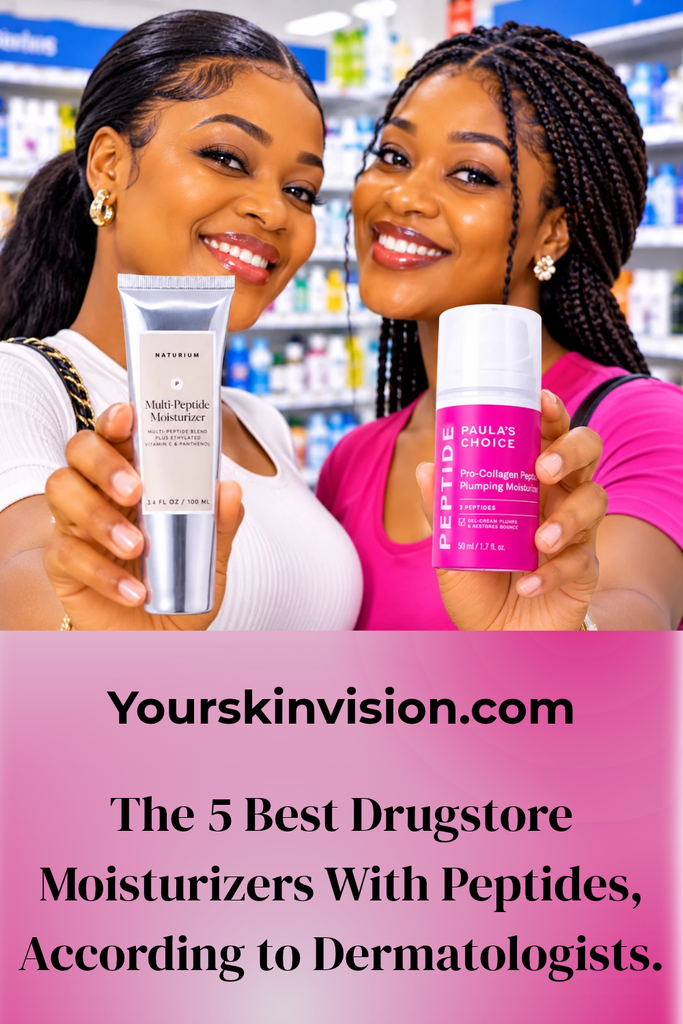
Table of Contents
What Do Peptides Actually Do in a Moisturizer?
Peptides are small pieces of protein. Skin makes its own, and it uses them as messengers to manage collagen, repair, and hydration. Skincare brands copy this idea by adding peptides to creams, hoping to send “build more collagen” or “repair here” signals.
The research looks promising but uneven. Some studies show that certain peptides improve the look of fine lines and firmness, while others show smaller effects. The American Academy of Dermatology highlights sun protection and retinoids as the best-supported anti-aging tools, and it lists moisturizers as a helpful daily habit. Peptides work best as a supporting player inside a good moisturizer, not as a miracle on their own.
Dermatologists suggest a few rules when you shop:
- Look for peptides plus hydrators. Hyaluronic acid, glycerin, and ceramides give skin the water and barrier support that make peptides worth using.
- Check for niacinamide. It supports tone, texture, and the skin barrier.
- Choose fragrance-free when possible. Fragrance adds irritation risk with no benefit.
- Judge by results over months. Hydration shows up fast, while firmer texture takes about eight to twelve weeks.
- Pair with sunscreen. No moisturizer replaces daily SPF.
Here are 5 Drugstore Peptide Moisturizers Dermatologists rank as the Best Overall.

1: Overall Best: Olay Regenerist Micro-Sculpting Cream
Olay earns the top spot because it combines peptides with the right supporting cast at a friendly price. This fragrance-free cream blends amino-peptides, hyaluronic acid, and niacinamide. The hyaluronic acid hydrates, the niacinamide supports tone and the barrier, and the peptides support the look of firmness.
Olay has built this line over many years, and dermatologists often recommend it because it gives sensitive and dry skin a comfortable, effective option. The cream feels rich without turning greasy, so it works for day or night. It also costs much less than luxury jars, which makes consistent daily use realistic.
Apply it to clean skin morning and night. Follow it with sunscreen in the morning. Many people notice smoother, plumper skin within a few weeks, and a firmer look after about three months.
User Comments:
“I used to spend a lot on creams. My dermatologist suggested this one, and it works just as well for me. My skin feels plump and soft, and my fine lines look softer after about two months.”
“I wanted something simple. It absorbs fast, has no strong smell, and my skin looks smoother after a couple of months. I use it every night.”

2: CeraVe Skin Renewing Night Cream
CeraVe pairs a peptide complex with three essential ceramides and hyaluronic acid in a fragrance-free night cream. The ceramides rebuild the barrier, the hyaluronic acid pulls in moisture, and the peptides support the look of firmness.
This cream suits dry, sensitive, or mature skin that needs repair as much as anti-aging. It feels thick and cushioning, which makes it a good bedtime moisturizer. Many dermatologists recommend CeraVe because the brand builds its formulas around barrier health.
User Comments:
“My skin gets dry and tight in winter. This cream feels rich, and my face feels soft in the morning. After a few months, my skin looks smoother and more even.”
“I have sensitive skin, so I like that it’s fragrance-free. It never stings. My skin feels plumper, and my fine lines look softer after about three months.”

3: Naturium Multi-Peptide Moisturiser
If your skin needs everyday moisture without a heavy, greasy feel, Naturium Multi-Peptide Moisturiser is worth considering. This jumbo 3.4 oz size is especially appealing if you use moisturiser regularly and want more product without constantly replacing your jar.
The formula is designed to hydrate, soften, and condition the skin, leaving it feeling supple and comfortable. Its multi-peptide blend is intended to support smoother-looking skin and improve the appearance of texture over time. Peptides are a useful addition to a skincare routine focused on maintaining a healthy, well-moisturised appearance, especially when paired with consistent hydration.
One thing that makes this moisturiser appealing is its quick-absorbing texture. It nourishes the skin without leaving behind an overly heavy finish, making it suitable for everyday use. The formula has a pH range of 4.80–5.80, which is designed to be compatible with the skin’s naturally acidic surface.
Naturium also focuses on combining effective natural and synthetic ingredients at useful levels while keeping its products affordable and safety-tested. However, the full ingredient list is worth checking if you have sensitivities or specific skincare concerns.
Overall, this is a practical choice for anyone looking for a moisturiser that delivers comfortable hydration, softer-feeling skin, and a smoother-looking texture. Patch test before use, especially if you have sensitive skin.

4: Olay Regenerist Retinol 24 + Peptide Night Face Moisturizer
This Olay night cream combines a gentle retinoid complex with collagen peptides and niacinamide in a fragrance-free formula. It suits people who want peptides and a touch of retinol in the same jar. Retinoids are among the best-supported anti-aging ingredients, and the cream base helps cushion skin against dryness.
Start slowly, since retinol can irritate. Use it two nights per week, then add a night every two weeks. Always wear sunscreen the next morning. Skip retinol if you’re pregnant or nursing, and ask your dermatologist if you have a skin condition.
User Comments:
“I wanted retinol that felt like a regular night cream. This one is thick but not greasy, and it never stung. After about four months, my skin looks brighter and feels plumper.”
“I started two nights a week and built up slowly. My skin texture looks smoother, and my fine lines look softer. I like that it’s all in one jar.”

5: Paula’s Choice Pro-Collagen Peptide Plumping Face Moisturizer
Paula’s Choice Pro-Collagen Peptide Plumping Face Moisturizer is a great option for daily hydration with a lightweight feel. This gel-cream contains three types of pro-collagen peptides to support the skin barrier, improve the look of fine lines, and give skin a plumper, bouncier appearance.
One of its biggest selling points is its 24-hour hydration claim. The formula is designed to keep skin feeling moisturized, soft, and comfortable throughout the day without the heaviness some richer creams leave behind. It absorbs quickly, so you can apply sunscreen and makeup afterwards without worrying about a greasy finish or product pilling.
Its oil-free, fragrance-free formula also makes it worth considering if you have combination, oily, acne-prone, or sensitive skin. The smooth gel-cream texture should fit easily into both morning and evening routines, and it can work well under foundation, skin tints, and sunscreen.
For anyone concerned about dullness, fine lines, or skin that looks a little less firm, this moisturizer offers a simple way to add peptides and hydration to an existing routine. Keep in mind that results vary, and peptides are not an overnight fix. Overall, it is a practical everyday moisturizer for softer, hydrated, healthier-looking skin, especially if you prefer products that feel light rather than rich.
How To Use a Peptide Moisturizer for the Best Results?
A good routine helps peptides work. Dermatologists recommend these steps.
- Apply to clean skin. Wash your face, pat it dry, and apply cream while your skin still feels slightly damp. This helps lock in moisture.
- Use enough product. A nickel-sized amount covers the face and neck. Skimping reduces the benefit.
- Layer smartly. Apply thinner products first, such as serums, then your peptide moisturizer on top.
- Wear sunscreen every morning. Use a broad-spectrum SPF 30 or higher. Sun damage undoes the gains from any moisturizer.
- Add a retinoid at night if you can. Retinoids have stronger evidence than peptides. Many dermatologists suggest using a peptide moisturizer in the morning and a retinoid at night.
- Patch test new products. Try a small area for a few days before you use a new cream on your whole face.
- Stay patient. Hydration shows up within days. Firmer-looking skin takes about eight to twelve weeks.
Conclusion
Peptide moisturizers don’t need a luxury price tag. Dermatologists often recommend drugstore formulas that pair peptides with hyaluronic acid, ceramides, and niacinamide, because those partners give skin the hydration and barrier support peptides need to shine.
Olay Regenerist Micro-Sculpting Cream earns the top spot because it combines peptides, hyaluronic acid, and niacinamide in a fragrance-free formula at an easy price. CeraVe adds barrier repair for dry or sensitive skin.
Vichy blends peptides with vitamin C for a brighter look. Olay Retinol 24 + Peptide gives retinol fans a two-in-one night cream. Apply to clean, slightly damp skin. Wear sunscreen every day. Stay consistent for at least eight to twelve weeks. Your skin will look plumper and feel better, and your wallet will thank you too.
Other Related Articles
- The 5 Best Neck Creams for Seniors, According to Dermatologists.
- 5 Best Face Moisturizer For Dry Sensitive Skin Face
- 5 Best Face Moisturizers for Women Over 65
- The 5 Best Affordable Moisturizers With SPF, According to Dermatologists.
- The 5 Best Firming Moisturizers With SPF, According to Dermatologists.
