
Athlete’s foot is one of the most common fungal skin infections in the world, and it has a stubborn habit of coming back. The itching between your toes, the peeling skin, the stinging after a shower: it is uncomfortable, embarrassing, and surprisingly easy to pass around. Dermatologists consistently point to one simple tool that helps with both treatment and prevention: a good antifungal foot powder.
The right powder does two jobs at once. It delivers an antifungal ingredient to the skin, and it absorbs the moisture that fungus needs to thrive. The wrong one can leave your feet clumpy, irritated, or no better off than before.
This article explains how foot powders work, what dermatologists look for on the label, and which five products are the strongest choices for athlete’s foot. Each review includes a real-world style user experience so you can picture how the product performs day to day.
Quick answer: the 5 best foot powders for athlete’s foot
- Lotrimin AF Antifungal Powder – Best overall for treating active athlete’s foot (miconazole nitrate 2%).
- Tinactin Antifungal Powder – Best for fast relief of itching and burning (tolnaftate 1%).
- Zeasorb-AF Antifungal Powder – Best for sweaty feet and skin folds (super-absorbent plus miconazole).
- Dr. Scholl’s Athlete’s Foot Spray Powder – Best no-touch option for sore, cracked skin (tolnaftate).
- Gold Bond Medicated Foot Powder – Best for daily prevention, odor, and moisture control.
Always check the current label on any product before buying, since formulas and active ingredients can change.
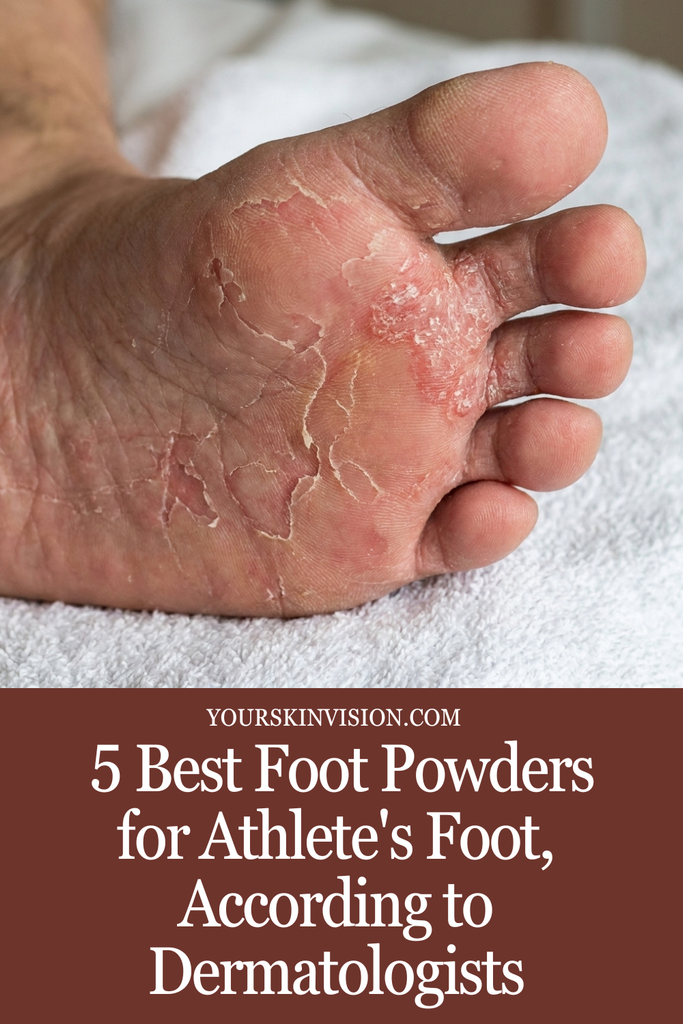
Table of Contents
What Is Athlete’s Foot, and Why Does It Keep Coming Back?
Athlete’s foot, known medically as tinea pedis, is an infection caused by dermatophytes, a group of fungi that feed on keratin, the protein in your skin, hair, and nails. These fungi love warm, dark, damp places, which makes the inside of a sneaker nearly perfect.
The infection usually shows up in one of three ways:
- Between the toes: white, soggy, peeling, or cracked skin, often with itching and a burning sensation. This is the most common form.
- Moccasin type: dry, scaly, thickened skin across the sole and heel that can be mistaken for plain dry skin.
- Vesicular type: small, itchy blisters, usually on the arch or the sides of the foot.
It keeps returning for a few reasons. People often stop treatment when the itching fades, long before the fungus is gone. Spores linger in shoes, socks, towels, and bath mats. And damp feet in closed footwear give the fungus a fresh start every day.
How Do Dermatologists Recommend Treating Athlete’s Foot?
Most mild to moderate cases respond well to over-the-counter antifungal products. Dermatologists generally recommend choosing a product with a proven antifungal active ingredient, applying it exactly as directed, and continuing for the full recommended period, which is commonly one to four weeks depending on the product, even after symptoms improve.
Powders are often recommended alongside, or after, a cream because they tackle the moisture problem. A cream may be best for clearing a stubborn patch, while a powder is excellent for keeping the environment inside your shoes less friendly to fungus. For many people, the most effective routine is a combination: treat the infection, then use powder to prevent a repeat.
Do Foot Powders Actually Work for Athlete’s Foot?
Yes, with an important caveat. Antifungal powders that contain ingredients such as miconazole or tolnaftate are designed to treat and prevent athlete’s foot. Medicated or absorbent powders without an antifungal ingredient, such as many talc or cornstarch formulas, help keep feet dry and reduce odor, but they do not treat an active infection on their own.
That distinction is the single most important thing to understand before you shop. If your feet are already itchy and peeling, look for an antifungal active ingredient listed under “Drug Facts” on the label. If your feet are healthy and you simply want to stay that way, an absorbent powder may be enough.
What Should You Look for in a Foot Powder for Athlete’s Foot?
Dermatologists suggest checking the label for these qualities before you buy.
Which Antifungal Ingredients Are Most Effective?
The two most common over-the-counter options in powders are:
- Miconazole nitrate: An azole antifungal that stops fungi from growing and is effective against the organisms that cause athlete’s foot.
- Tolnaftate: A long-established antifungal that treats athlete’s foot and helps prevent recurrence, often valued for quickly easing itching and burning.
Other over-the-counter antifungals, such as terbinafine and clotrimazole, are more often found in creams, gels, and sprays than in powders.
Why Does Moisture Absorption Matter?
Fungus thrives in moisture, so a powder that absorbs sweat adds a second layer of defense. Look for ingredients such as cornstarch, talc, or other absorbent bases. Some people prefer talc-free formulas, and several brands offer them.
Should You Choose a Shaker Powder or a Spray Powder?
Shaker powders are easy to control and work well between the toes and inside shoes. Spray powders are convenient, require no touching of infected skin, and are useful for sore or cracked areas, but you should spray in a well-ventilated space and avoid inhaling the product.
Is the Formula Gentle Enough for Your Skin?
If you have sensitive skin, look for fragrance-free or lightly scented products and avoid anything that stings broken skin. Menthol feels cooling and soothing for many people, but it can irritate others.
Does It Help With Odor?
Foot odor and athlete’s foot often travel together, because the same moisture and bacteria are involved. A powder that controls both is a practical choice.
What Are the 5 Best Foot Powders for Athlete’s Foot?

1. Lotrimin AF Antifungal Powder: Is It the Best Overall Choice?
Why we love it: Lotrimin AF is one of the most recognized names in athlete’s foot care, and its powder uses miconazole nitrate 2%, an antifungal dermatologists commonly recommend for tinea pedis. It is designed to treat athlete’s foot, jock itch, and ringworm, and it also absorbs moisture so the skin stays drier between applications. The powder glides on easily and is generally fragrance-light, so it suits most people.
What it does well: Treats the infection, relieves itching and scaling, and helps keep feet dry. Following the label for the full treatment duration is what delivers the best results.
What to keep in mind: Like any antifungal, it needs consistent use. Stopping as soon as the itching fades is the most common reason infections return.
Perfect for: People with active athlete’s foot between the toes who want a trusted, straightforward treatment.
User experience: “I got athlete’s foot after a summer of wearing the same sneakers every day. The skin between my two smallest toes was white, peeling, and itchy at night. I started dusting Lotrimin AF into my socks and between my toes after every shower. The itching eased within a few days, but I kept using it for the full two weeks as the box said. The peeling stopped, and I have kept a bottle in my gym bag ever since.” – Daniel, 34

2. Tinactin Antifungal Powder: Is It the Fastest at Calming Itch and Burn?
Why we love it: Tinactin has been a household name in athlete’s foot care for decades. Its powder relies on tolnaftate 1%, an antifungal that treats most athlete’s foot, jock itch, and ringworm, and helps prevent athlete’s foot with continued use. Many people choose it specifically because it is quick to soothe the itching and burning that make the infection so miserable.
What it does well: Relieves itching and burning, works as both a treatment and a prevention product, and has a light, easy-to-spread texture.
What to keep in mind: Tolnaftate is aimed at the skin surface, so it is best for typical athlete’s foot rather than deep or severe infections. If there is no improvement after the time stated on the label, see a healthcare provider.
Perfect for: People who want a classic, well-tolerated option that quickly takes the edge off the itch.
User experience: “The burning between my toes was what drove me crazy. It felt like a mild sting every time I took off my socks. I used Tinactin powder morning and night, and the burning settled down faster than I expected. The cracked skin took longer to heal, but after about three weeks my feet felt completely normal. It does not clump in my socks, which I appreciated.” – Marisol, 47

3. Zeasorb-AF Antifungal Powder: Is It the Best Pick for Sweaty Feet?
Why we love it: Zeasorb is known for its super-absorbent technology, which pulls moisture away from the skin and helps keep it dry. The AF version pairs that moisture control with miconazole nitrate 2%, so it works both to treat athlete’s foot and to make the environment less hospitable to fungus. Because it is designed for skin folds as well as feet, it is also popular with people who deal with heavy sweating.
What it does well: Excellent at absorbing sweat, treats the infection with a proven antifungal, and stays comfortable through long days in closed shoes.
What to keep in mind: The texture is very fine, so shake it gently and avoid inhaling the dust. Apply to clean, dry skin.
Perfect for: Runners, nurses, military members, and anyone on their feet all day in sweaty socks and boots.
User experience: “I work twelve-hour shifts in work boots, and my feet are damp by lunchtime. Regular powders never lasted. Zeasorb-AF actually kept my feet dry through the day, and the itchy patch near my arch cleared up after a couple of weeks. I now use it a few times a week as maintenance, and I have not had a flare-up since.” – Terrence, 52

4. Dr. Scholl’s Athlete’s Foot Spray Powder: Is a Spray Powder Better for Sore Skin?
Why we love it: Dr. Scholl’s is a familiar name in foot care, and its spray powder is built around an antifungal active ingredient to treat and help prevent athlete’s foot. The biggest advantage is the format. You can treat the area without rubbing or touching sore, cracked, or blistered skin, and the fine mist reaches between the toes and inside shoes with ease.
What it does well: No-touch application, quick coverage, and a drying finish that leaves little residue. It is also handy for treating the inside of shoes between wears.
What to keep in mind: Spray in a well-ventilated space, keep it away from the face and eyes, and do not use near a flame, since many aerosol products are flammable. As always, confirm the active ingredient on the current label.
Perfect for: People with tender or cracked skin, and anyone who prefers a mess-free, hands-off application.
User experience: “My feet were so sore from the cracks between my toes that creams stung. The spray powder was a relief because I did not have to rub anything in. I sprayed my feet after showering and a little inside my sneakers, and it dried quickly. The soreness improved within about a week, and I finished the full course even after my skin looked normal.” – Priya, 29

5. Gold Bond Medicated Foot Powder: Is It Best for Daily Prevention?
Why we love it: Gold Bond Medicated Foot Powder is a long-time favorite for keeping feet dry, fresh, and comfortable. It uses an absorbent base with menthol for a cooling feel, and it helps reduce moisture and odor. It is best thought of as a maintenance product: ideal for healthy feet, for post-treatment prevention, or for people who sweat heavily.
What it does well: Absorbs moisture, controls odor, and leaves feet feeling cool. It is affordable, easy to find, and pleasant to use every day.
What to keep in mind: This product is not a replacement for an antifungal medication when you have an active infection. Formulas vary, including talc and cornstarch versions, so check the label. Menthol may irritate very sensitive or broken skin.
Perfect for: Preventing athlete’s foot after treatment, managing sweaty or smelly feet, and daily use in gyms, locker rooms, and work boots.
User experience: “After I cleared up my athlete’s foot with an antifungal, my dermatologist told me to keep my feet dry to stop it from coming back. I started using Gold Bond in my socks every morning. My feet feel cooler, the smell is gone, and I have gone more than a year without a repeat infection.” – James, 41
How Do You Use Foot Powder Correctly for Athlete’s Foot?
Even the best powder underperforms if it is used incorrectly. Dermatologists commonly suggest this routine:
- Wash your feet daily with soap and water, including between the toes.
- Dry thoroughly. Pat, do not rub, and take extra time between the toes. A hair dryer on a cool setting can help.
- Apply the powder to clean, dry skin, covering the affected areas and a little beyond the visible border of the rash.
- Dust your socks and shoes to cut down on moisture and fungal spores.
- Follow the label. Use it for the full recommended time, even if symptoms disappear sooner.
- Wash your hands after applying so you do not spread the fungus to other areas, such as the groin or nails.
How Can You Keep Athlete’s Foot From Coming Back?
Powder is just one part of prevention. These habits make a real difference:
- Rotate your shoes. Give each pair at least 24 hours to dry out completely.
- Choose breathable socks. Moisture-wicking fabrics and cotton blends keep feet drier than heavy synthetics. Change them whenever they get damp.
- Wear sandals or shower shoes in locker rooms, public pools, and hotel showers.
- Do not share towels or footwear. Wash towels and socks in hot water.
- Treat the shoes too. Spraying or dusting the inside of your shoes helps remove lingering spores.
- Trim and care for your toenails. Fungus can hide under nails, and a nail infection can keep reinfecting your skin.
Can Foot Powder Treat Toenail Fungus?
No. Foot powders are designed for skin infections, not nail infections. Toenail fungus, or onychomycosis, lives under and within the nail, where powder cannot reach effectively. If your nails are thick, discolored, or crumbling, a dermatologist can recommend prescription treatments. Treating the nails is also important if you want to stop athlete’s foot from returning.
When Should You See a Dermatologist About Athlete’s Foot?
Over-the-counter powders work for many people, but you should seek medical advice if:
- Your symptoms do not improve after about two to four weeks of consistent treatment.
- The infection keeps returning.
- You see signs of a bacterial infection, such as increasing redness, warmth, swelling, pus, or red streaks.
- You have diabetes, poor circulation, or a weakened immune system. Even minor foot problems should be checked early in these cases.
- Your nails are also affected.
- You are not sure that what you have is athlete’s foot. Eczema, contact dermatitis, and psoriasis can look similar.
Are There Any Safety Tips for Using Foot Powder?
A few simple precautions keep powders safe:
- Avoid breathing in fine powder, especially with spray and talc-based products.
- Keep products away from the eyes and mouth.
- Do not use on children unless the label allows it or a doctor recommends it. Talc powders in particular should be kept away from infants and young children.
- Stop using the product and talk to a healthcare provider if you develop worsening redness, swelling, or severe irritation.
- Store powders in a cool, dry place with the lid closed.
Frequently Asked Questions About Foot Powders for Athlete’s Foot
How long does it take for foot powder to cure athlete’s foot?
Many people notice less itching within a few days, but the infection usually needs one to four weeks of consistent use to clear, depending on the product. Follow the directions on the package and keep going for the full period.
Is powder or cream better for athlete’s foot?
Creams are often preferred for treating a stubborn, active patch because they stay in contact with the skin. Powders are excellent for moisture control and prevention, and they work well for mild infections or as a follow-up. Many people use both.
Can I use foot powder every day?
Antifungal powders can be used as directed on the label, which is often once or twice daily during treatment. Absorbent, non-antifungal powders are generally fine for daily use on healthy skin.
Is talc-free foot powder better?
Talc-free formulas, typically cornstarch-based, are a good option if you prefer to avoid talc or want to reduce inhalation concerns. Both types can absorb moisture effectively.
Is athlete’s foot contagious?
Yes. It spreads through direct contact and contaminated surfaces such as floors, towels, and shoes. Keeping feet dry, avoiding barefoot walking in public wet areas, and not sharing personal items all lower the risk.
Can I put foot powder inside my shoes?
Yes. Dusting the inside of your shoes helps absorb moisture and reduce fungal spores. Let shoes air out between wears for the best effect.
Why does my athlete’s foot keep coming back?
Common causes include stopping treatment too early, re-wearing contaminated shoes or socks, damp feet, and an untreated toenail infection. Combining antifungal treatment with strict moisture control is the best defense.
Final Thoughts: Which Foot Powder Should You Choose?
The best foot powder depends on what your feet need right now. If you have an active infection, start with an antifungal option such as Lotrimin AF or Tinactin. If sweat is the main issue, Zeasorb-AF brings strong moisture absorption along with antifungal action. For tender or cracked skin, Dr. Scholl’s spray powder offers a gentle, no-touch method. And once the infection is gone, Gold Bond Medicated Foot Powder is a dependable, affordable way to keep feet dry, fresh, and protected.
Whichever you choose, remember that consistency matters more than brand. Wash and dry your feet well, use your powder for the entire recommended period, rotate your shoes, and wear breathable socks. If symptoms linger or keep returning, a dermatologist can confirm the diagnosis and recommend stronger treatment.
