Crepey skin is one of those things nobody really warns you about. One day, your skin looks fine. Then, usually somewhere around your 50s or 60s, though it can happen earlier, you notice it. The thin, papery texture. The way it bunches and crinkles, especially on the upper arms, neck, and the skin just above your knees. It does not look anything like a wrinkle. It looks like crepe paper, which is exactly where the name comes from.
The good news is that you do not need a $400 serum to make a real difference. A lot of dermatologists are surprisingly open about the fact that consistent, unglamorous habits, such as moisturizing, hydration, sun protection, and a few targeted ingredients, do more than most treatments people pay heavily for. This article covers what the research says, what real people find helpful, and what is worth skipping.

Table of Contents
What Causes Crepey Skin and Why Does It Get Worse With Age?
Crepey skin has more than one cause, and understanding what is actually happening underneath the surface changes how you approach fixing it. The main driver is collagen loss. Collagen is the protein that keeps skin firm and springy. After about age 25, the body produces roughly 1% less collagen per year.
By the time most people notice crepey skin, they have lost a significant amount of the structural scaffolding that keeps skin from sagging and thinning. Elastin, a related protein that allows skin to snap back into place, degrades at the same time.
UV exposure is the second major factor, and it is probably the most preventable. Research published in the Journal of Investigative Dermatology found that chronic sun exposure accelerates the breakdown of both collagen and elastin far beyond what aging alone would cause. This is why crepey skin shows up earlier and more severely on the forearms, décolletage, and neck, areas that get consistent sun exposure, compared to areas that are usually covered.
Dehydration matters more than most people realize. Skin that is chronically low on moisture loses its ability to plump up and recover. This does not just mean drinking water (though that helps); it means the skin’s barrier function, which traps moisture in, needs to be intact. When the barrier is compromised, through harsh soaps, over-exfoliation, or cold, dry air, water evaporates from the skin faster, and that papery texture becomes more pronounced.
Hormonal changes, especially the drop in estrogen during menopause, also thin the skin and reduce its ability to retain moisture. This is why many women notice crepey skin accelerating in their 50s specifically.
Weight changes play a role, too. Skin that has been stretched and then lost volume — through weight loss, pregnancy, or muscle loss with age- has less support from underneath, which makes crepiness more visible.
Which Home Remedies for Crepey Skin Actually Work?
This is where it gets practical. Not every home remedy that circulates online has evidence behind it. Some do. Here is an honest breakdown.
Coconut oil and body oils
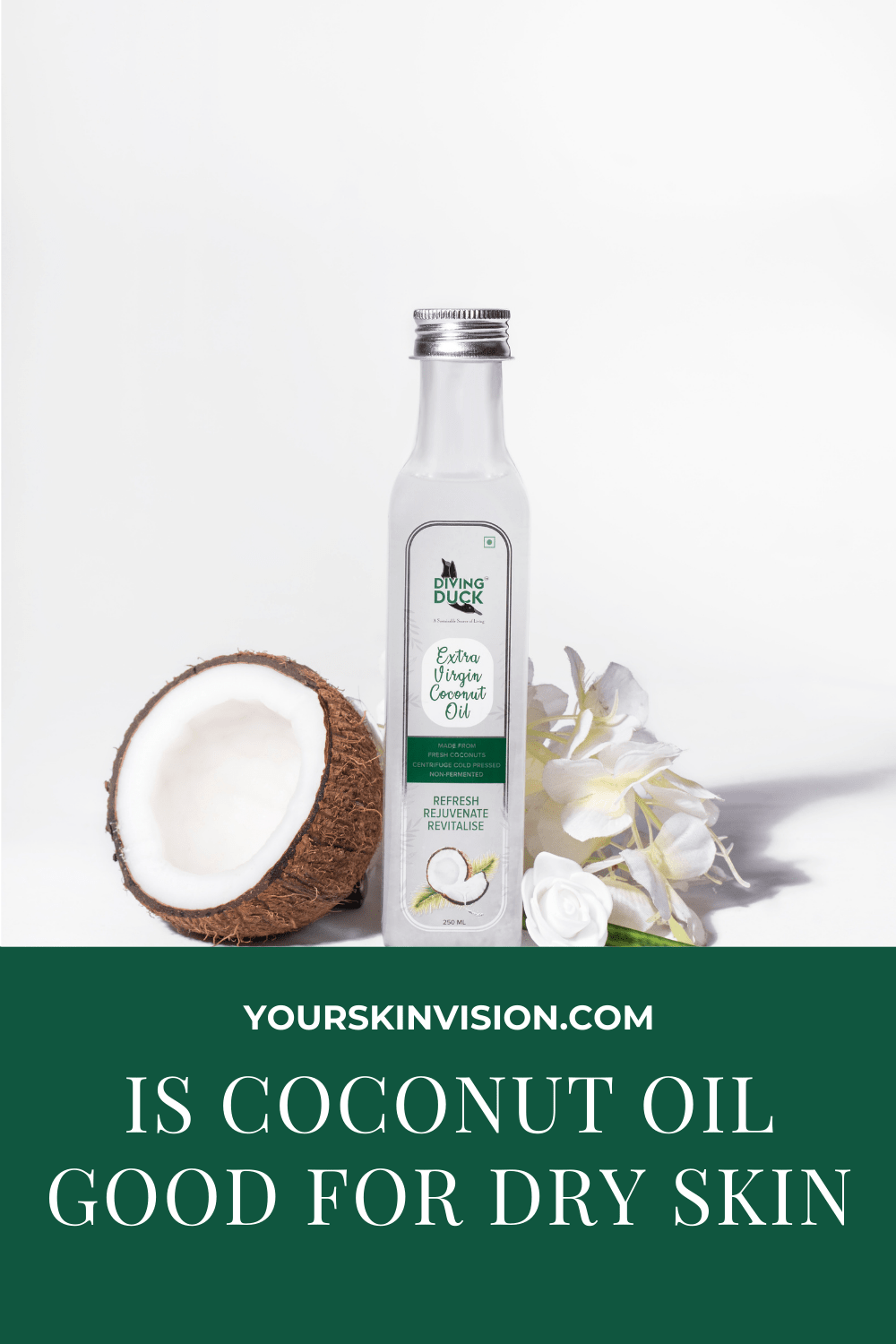
Plain coconut oil is a good occlusive moisturizer. It sits on top of the skin and slows water loss. It does not rebuild collagen, and it does not reverse crepey texture, but it genuinely helps skin look and feel more supple with consistent use. For people with dry, crepey skin on the arms or legs, applying coconut oil or any heavy body oil immediately after showering, while the skin is still slightly damp, is one of the most effective things you can do.
A top dermatologist and director of cosmetic and clinical research at Mount Sinai Hospital has noted that trapping moisture with an occlusive immediately post-shower can dramatically improve skin texture over time. Almond oil, argan oil, and shea butter work on the same principle. The mechanism is simple: they reduce transepidermal water loss. That is it. They are not magic, but they are consistent.
Aloe vera
Aloe vera gel contains compounds, including acemannan, that have been shown in some studies to stimulate collagen production and improve skin elasticity. A 2009 study in the Annals of Dermatology found that women over 45 who took aloe vera gel supplements showed measurable improvements in skin elasticity and collagen synthesis.
Applied topically, the evidence is less robust, but it still has hydrating and anti-inflammatory properties that help with the look of crepey skin. Pure aloe directly from the plant is preferable to most store-bought versions loaded with fillers.
Coffee grounds and sugar scrubs
Physical exfoliation removes the buildup of dead skin cells that makes crepey skin look dull and more textured than it actually is. A coffee grounds scrub mixed with coconut oil or olive oil is inexpensive, and it works for short-term improvement in skin appearance. The caffeine in coffee grounds also temporarily constricts blood vessels and can reduce the appearance of thinness.
The caution here: over-exfoliation damages the skin barrier. Two to three times per week is the upper limit for most people. Scrubbing harder or more frequently does not speed up results; it makes things worse by stripping the skin.
Egg white masks
Egg whites temporarily tighten skin because of their protein content. This is a real but short-lived effect. The tightening lasts a few hours at most. It is not a lasting solution, but if you are getting photos taken or want your skin to look tighter for an event, it is a legitimate trick that people have used for decades.
Dry brushing
Dry brushing stimulates circulation and exfoliates simultaneously. Some practitioners claim it stimulates lymphatic drainage. The lymphatic claim is not strongly supported by evidence. The circulation and exfoliation benefits are real. Using a natural bristle brush in long strokes toward the heart, before showering, a few times per week, does improve skin texture for many people. It also makes the moisturizer absorb better afterward.
Diet and hydration
This one gets underestimated because it is not a topical fix. Skin that is dehydrated from the inside is genuinely harder to improve with outside-in treatments. Eight to ten glasses of water daily is the standard recommendation, but foods with high water content, such as cucumber, watermelon, and leafy greens, also contribute.
More specifically, foods high in vitamin C (bell peppers, citrus, kiwi) support collagen synthesis. Protein intake matters too, because collagen is a protein, and the body needs amino acids to produce it.
There is actual evidence that collagen peptide supplements, hydrolyzed collagen taken orally, improve skin elasticity and hydration. A 2019 systematic review in the Journal of Drugs in Dermatology looked at 11 randomized controlled trials and found consistent improvements in skin elasticity and hydration from oral collagen supplementation.
What Are the Best Ingredients to Look For in Products for Crepey Skin?
If you want home remedies that go beyond basic moisturizing, knowing which active ingredients have real evidence behind them saves a lot of money and frustration.
Retinol
Retinol is the most evidence-backed ingredient for aging skin, full stop. It is a derivative of vitamin A that increases cell turnover, stimulates collagen production, and improves skin texture over time. The research on retinol for crepey skin specifically is solid. A 2015 study in the Journal of Investigative Dermatology found that topical retinol improved the appearance of crepey skin on the arms and legs, not just the face.
Start low (0.025% to 0.05%) and apply at night. It causes initial dryness and peeling for many people, which is temporary. The long-term payoff for consistent users is real. Over-the-counter retinol is weaker than prescription tretinoin but still effective with regular use over months.

Hyaluronic acid
Hyaluronic acid holds up to 1,000 times its weight in water. As a topical ingredient, it draws moisture into the skin and plumps it temporarily. Applied to damp skin and sealed with a moisturizer, it noticeably improves the look of crepey texture by filling in the fine surface creases. It is not permanent, but it works every time you use it.
Glycerin
Glycerin is less trendy than hyaluronic acid but equally effective as a humectant. It is also much cheaper. Pure glycerin diluted in water (about 1 part glycerin to 3 parts water) and applied to the body is a cost-effective way to maintain skin hydration. Most dermatologists use it in their own practice for dry, compromised skin.
Peptides
Peptides are short chains of amino acids that signal the skin to produce collagen. Unlike retinol, they do not cause irritation, which makes them useful for people with sensitive skin. The evidence is less robust than for retinol, but multiple studies show measurable improvements in skin firmness and elasticity with consistent use of peptide-containing products.
Vitamin C
Vitamin C is a cofactor for collagen synthesis, meaning the body needs it to build collagen in the first place. Topically, it also acts as an antioxidant that reduces UV-related damage. L-ascorbic acid, the active form, is unstable and difficult to formulate. Look for products with a concentration of 10–20% and store them away from light to keep the ingredient active.
How Can You Prevent Crepey Skin From Getting Worse?
Prevention is genuinely easier than reversal. If your crepey skin is mild, or if you have not developed it yet but want to slow its progression, these habits make a measurable difference.
Sunscreen, every day
Daily SPF 30 or higher on any exposed skin is the single highest-return investment for skin health. UV radiation breaks down collagen and elastin faster than anything else. This is not a morning-only concern; windows do not block UVA rays, and UVA is what causes collagen degradation and photoaging. A broad-spectrum SPF applied to the neck, chest, hands, and arms year-round slows the progression of crepey skin significantly.
Stop smoking
Smoking reduces blood flow to the skin, impairs collagen production, and accelerates the exact tissue degradation that causes crepey skin. If you smoke and are concerned about skin aging, no topical treatment will fully counteract the damage. Quitting has measurable effects on skin appearance within months.
Maintain a stable weight
Repeated cycles of weight gain and loss stretch the skin and reduce its elasticity over time. Keeping weight stable, not necessarily low, just stable, reduces the degree to which skin loses its underlying support structure.
Strength training
Muscle provides volume under the skin. When muscle mass decreases with age, a process called sarcopenia, the skin loses its underlying support and begins to look loose and crepey. Resistance training that preserves and builds muscle mass keeps skin looking fuller and more supported. This is why crepey upper arms, one of the most common complaints, often respond well to targeted arm exercises.
Gentle skincare habits
Hot water strips the skin’s natural oils and compromises the barrier. Lukewarm showers, gentle non-soap cleansers, and avoiding over-exfoliation all reduce transepidermal water loss and help maintain the moisture levels that keep skin looking plump rather than papery.
Are There Any Natural Oils Especially Good for Crepey Skin on the Arms and Legs?
The body’s skin, particularly the arms, legs, and abdomen, is thicker and less reactive than facial skin, but it also tends to get far less attention. Crepey skin on the body responds well to heavy, occlusive oils and butters applied consistently.
Rosehip seed oil contains naturally occurring trans-retinoic acid (a form of vitamin A) along with essential fatty acids that support the skin barrier. It absorbs reasonably well and is one of the few plant oils with documented effects on skin elasticity.
Marula oil has a high oleic acid content that closely resembles the skin’s natural sebum. It penetrates quickly and does not feel greasy, which makes it practical for daily use on large areas like the arms and thighs.
Shea butter is thick, which puts some people off, but it is one of the most effective occlusives available without a prescription. It also contains small amounts of triterpenes, plant compounds with documented anti-inflammatory properties. Applied after a shower on slightly damp skin, shea butter keeps moisture locked in for hours.
Jojoba oil is technically a wax ester rather than an oil, which gives it a longer shelf life than most plant oils. It closely mimics the skin’s natural wax esters and absorbs without leaving residue. It works well as a daily body moisturizer for people who find thicker butters uncomfortable.
For best results on the body, apply any of these oils within two minutes of stepping out of the shower. Applying to completely dry skin is less effective because there is no water to trap.
When Should You See a Dermatologist About Crepey Skin?
Home remedies work, but there are situations where professional treatment is the more practical path, and it is worth being honest about that.
If your crepey skin is severe, loose, significantly wrinkled, or covers large areas, over-the-counter products and home remedies are likely to produce modest rather than dramatic results. In those cases, professional options like radiofrequency treatments, laser resurfacing, or prescription-strength retinoids can achieve results that topical home treatments cannot match.
Radiofrequency treatments such as Thermage or Morpheus8 use heat energy to stimulate collagen production deep in the dermis. Multiple studies show they improve skin laxity and texture, particularly on the arms, abdomen, and thighs, areas where crepey skin is common but difficult to treat topically because the skin is thicker.
Prescription tretinoin is significantly more potent than over-the-counter retinol. If you have tried OTC retinol consistently for six months without adequate results, a dermatologist consultation for a prescription formulation is worth considering.
Some people see results with in-office procedures that stimulate collagen, including microneedling and platelet-rich plasma (PRP) treatments, though the evidence base for these varies by condition and individual.
The key signal that home remedies are not enough: if you have been consistent with sun protection, daily moisturizing, and active ingredients like retinol for six or more months and have seen no improvement, professional options are a reasonable next step, not a last resort. Dermatologists are not there only for disease; they also help with quality-of-life concerns like this one.
A Final Word on Expectations
Crepey skin does not reverse overnight with anything, not home remedies, not expensive treatments, not professional procedures. The improvements people see are real but gradual. Most dermatologists will tell you that six weeks is the minimum before you can evaluate whether a topical routine is working, and three to six months is more realistic for significant changes.
What makes the biggest difference is not finding the perfect product. It is consistency. Moisturizing every day. Wearing SPF. Eating enough protein. Staying hydrated. Avoiding habits such as smoking, tanning, and harsh skincare that actively speed up collagen breakdown.
The people who see the best long-term outcomes are not the ones who spent the most money. They are the ones who committed to boring, sustainable habits and gave them time to work.
Other Related Articles
- The 7 Best Treatments for Crepey Neck Skin, According to Dermatologists
- The 6 Best Moisturizers for Crepey Skin, According to Dermatologists
- 7 Dermatologist Recommendations for Crepey Skin That Actually Help
- The 5 Best Wrinkle Creams for Face, According to Dermatologists
- The 5 Best Body Oils for Aging Crepey Skin, According to Dermatologists
- Home Remedies for Ringworm in Humans: What Actually Works (And What to Skip)
- The 5 Best Oils for Crepey Skin on Arms and Legs, According to Dermatologists
- The 6 Best Firming Body Lotions for Crepey Skin, According to Dermatologists
- The 6 Best Wrinkle Creams for Lines Above Lips, according to Dermatologists
- The 5 Best Moisturizers for Forehead Wrinkles, According to Dermatologists